Yes, AI can significantly assist HR and people teams in drafting fair, plain-English policies from initial notes. By providing clear instructions, AI tools can generate structured drafts, identify gaps, and refine language for clarity and fairness, streamlining the policy development process.
Key takeaways
- AI tools excel at structuring rough notes into a coherent policy framework quickly.
- Always review AI-generated drafts for legal accuracy, company-specific nuances, and fairness.
- Use AI to simplify complex legal jargon into accessible, plain English for all employees.
- Integrate your organisation's values and tone into AI prompts to ensure brand consistency.
From Rough Notes to Draft Policy with AI
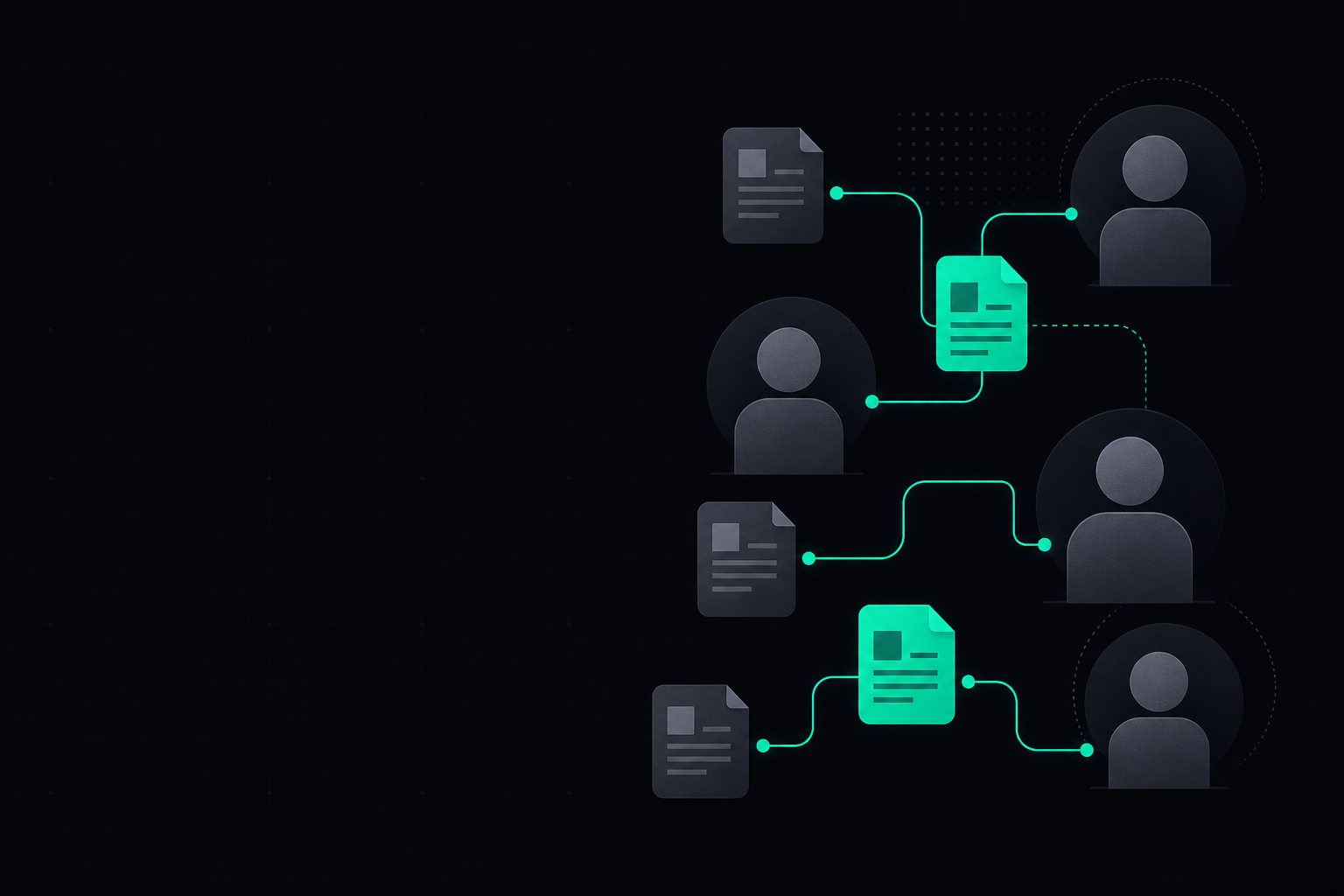
This flow illustrates how AI can transform initial policy notes into a structured, plain-English draft, ready for HR review.
Watch: a 2-minute intro
From the ChatGPT vs Claude vs Gemini vs Perplexity course on AI Bytes Learning.
A worked example
You are an experienced HR policy specialist. Draft a fair, plain-English Flexible Working Policy based on the following rough notes.
Ensure the policy is legally compliant for UK organisations and promotes a positive, inclusive work environment.
Include sections for Purpose, Scope, Eligibility, Application Process, Decision Making, Review, and Appeal.
Key notes:
- Employees can request after 26 weeks.
- Business reasons for refusal (e.g., cost, impact on quality, performance, customer demand).
- Managers must respond within 28 days.
- Trial periods are an option.
- Policy aims to balance employee needs with business needs.
- Be clear about the right to request, not a right to have.
Review the AI output carefully against current UK employment law and your organisation's specific operational context before finalising.
AI Tools for Policy Drafting: A Feature Comparison
| Task | ChatGPT/Gemini | Claude | Perplexity/Copilot |
|---|---|---|---|
| Initial Draft Generation | Excellent for general policy structure and language. | Excellent for longer, more complex policy drafts; strong on tone. | Good for quick drafts, especially if integrated with internal documents. |
| Plain English Simplification | Very good at rephrasing jargon into accessible language. | Outstanding for simplifying complex legal or technical terms. | Can summarise and simplify, but less nuanced for policy tone. |
| Legal Research/Compliance (UK) | Can provide general information but lacks real-time legal accuracy. | Good for summarising legal principles, still needs human verification. | Excellent for searching current UK legislation and case law summaries. |
| Bias Detection/Fairness Check | Can be prompted to review for bias, requires careful phrasing. | Stronger capabilities in identifying and addressing potential bias in language. | Limited inherent bias detection; relies on prompt instructions. |
| Summarising Existing Policies | Very effective at distilling key points from long documents. | Excels at summarising and extracting key clauses from extensive policies. | Good for quick summaries, especially from web sources or linked documents. |
Step by step
Follow these steps to effectively use AI for drafting fair, plain-English policies from your initial notes.
- 1Step 1: Gather all your rough notes, existing policy fragments, and any specific legal requirements.
- 2Step 2: Choose an AI tool (e.g., ChatGPT, Claude) and provide a comprehensive prompt detailing the policy's purpose, scope, key principles, and desired tone (e.g., "fair, inclusive, plain English").
- 3Step 3: Instruct the AI to structure the policy with clear headings and sections, specifying any particular clauses you need included.
- 4Step 4: Review the AI's initial draft for accuracy, completeness, and adherence to your organisation's values and UK legal standards.
- 5Step 5: Ask the AI to refine sections for clarity, simplify jargon, or check for potential bias, providing specific feedback.
- 6Step 6: Collaborate with legal and relevant stakeholders to finalise the policy, ensuring it is robust and fit for purpose.
Why is "Plain English" so crucial for HR policies?
Drafting HR policies in plain English is not merely a stylistic choice; it is a fundamental requirement for effective communication and legal clarity. When policies are clear, concise, and easy to understand, employees are more likely to read them, comprehend their obligations and rights, and adhere to company guidelines. This reduces misunderstandings, minimises disputes, and promotes a more harmonious workplace.
AI tools like ChatGPT and Claude can be invaluable here. They can take complex legal or HR terminology and rephrase it into language accessible to everyone, regardless of their background. By prompting the AI to "simplify this section for a general audience" or "rewrite using everyday language," HR teams can ensure policies are truly inclusive and actionable, removing barriers to understanding that overly formal or jargon-filled language often creates.
AI tools excel at structuring rough notes into a coherent policy framework quickly.
What are the risks of using AI for policy drafting and how to mitigate them?
While AI offers significant benefits for drafting, it presents risks that HR teams must actively mitigate. A primary concern is accuracy: AI models can sometimes "hallucinate" information, invent non-existent legal precedents, or misinterpret nuances in your notes. This means any AI-generated draft must undergo rigorous human review by qualified HR professionals and, where necessary, legal counsel to ensure compliance with current UK employment law and internal company policies.
Another risk is bias. AI models are trained on vast datasets, which can inadvertently contain societal biases that might manifest in policy language, leading to unfair or discriminatory phrasing. To counter this, explicitly instruct the AI to "draft this policy fairly and inclusively" and then critically review the output for any unintended bias. Tools like Claude are often noted for their ability to be guided towards more ethical and fair outputs. Additionally, ensure data privacy is maintained by not inputting sensitive personal data into public AI tools without appropriate safeguards.
How can HR ensure fairness and inclusivity when using AI?
Ensuring fairness and inclusivity in AI-drafted policies begins with the initial prompt. Explicitly instruct the AI to adopt an inclusive tone, avoid discriminatory language, and consider diverse employee needs. For example, prompt the AI to "ensure the language is gender-neutral and respectful of all protected characteristics" or "consider the impact on employees with varying working patterns." This upfront guidance is crucial for shaping the AI's output from the start.
Beyond prompting, the human review stage is critical. HR professionals must critically evaluate the AI's draft, specifically looking for any implicit biases or exclusionary language. Consider running the policy past an employee representative group or a diversity and inclusion committee for their input. Tools like NotebookLM or Microsoft Copilot can help by allowing you to ground the AI's responses in your own company's specific diversity and inclusion guidelines, ensuring the policy aligns with your organisational values and promotes a truly fair workplace for all.
Frequently asked questions
Can AI tools replace HR legal counsel for policy review?▾
No, AI tools cannot replace qualified HR legal counsel. While AI can draft policies and simplify language, it lacks the legal expertise to provide definitive advice on compliance or interpret complex case law. Always have policies reviewed by legal professionals to ensure they meet all statutory and regulatory requirements.
How do I ensure the AI understands the specific context of my organisation?▾
To ensure AI understands your organisation's context, provide specific details in your prompt. Include your company's values, existing policies, industry sector, and any unique operational requirements. For tools like NotebookLM or Microsoft Copilot, you can upload internal documents to give the AI a foundational understanding of your company's specific environment.
Is it safe to put sensitive policy details into public AI tools?▾
Exercise caution when inputting sensitive policy details into public AI tools. Many public models may use your input data for training, which could compromise confidentiality. For highly sensitive information, consider using enterprise-grade AI solutions or "private mode" options where available, or anonymise data before inputting.
Can AI help tailor a policy for different employee groups?▾
Yes, AI can help tailor policies for different employee groups. You can prompt the AI to adapt a base policy for specific scenarios, such as remote workers, part-time staff, or different departmental needs, by outlining the unique considerations for each group. Always review each tailored version for consistency and fairness.
What if the AI generates content that seems biased or unfair?▾
If AI generates biased or unfair content, immediately revise it. Provide explicit feedback to the AI in subsequent prompts, stating what was biased and why, and instruct it to revise the language to be more inclusive and fair. This iterative refinement helps steer the AI towards better outputs.
How can AI help ensure policies are consistently applied across the organisation?▾
AI can assist by ensuring the policy language is unambiguous, reducing room for misinterpretation, which is key to consistent application. You can also use AI to summarise policies for managers, highlighting key decision points and responsibilities, thereby promoting a shared understanding and consistent approach to policy implementation.
ChatGPT vs Claude vs Gemini vs Perplexity
ChatGPT, Claude, Gemini, and Perplexity each do different things well. This short course shows you what sets them apart, where each one falls short, and how to pick the right tool for the job — so you stop guessing and start getting better results. [gemma]
Start learningPut this into practice
15 minutes a day. Real AI skills for your job. Free to start.
Get started freeStay Ahead of AI in 15 Minutes a Day
The AI news that actually matters for your work — explained in plain English, with the skill to learn alongside it. Straight to your inbox.
No spam, unsubscribe anytime. We respect your privacy.