Global data just got dramatically easier to find, query, and use — and it's free for everyone, including you.
What Is the UN System Data Commons?
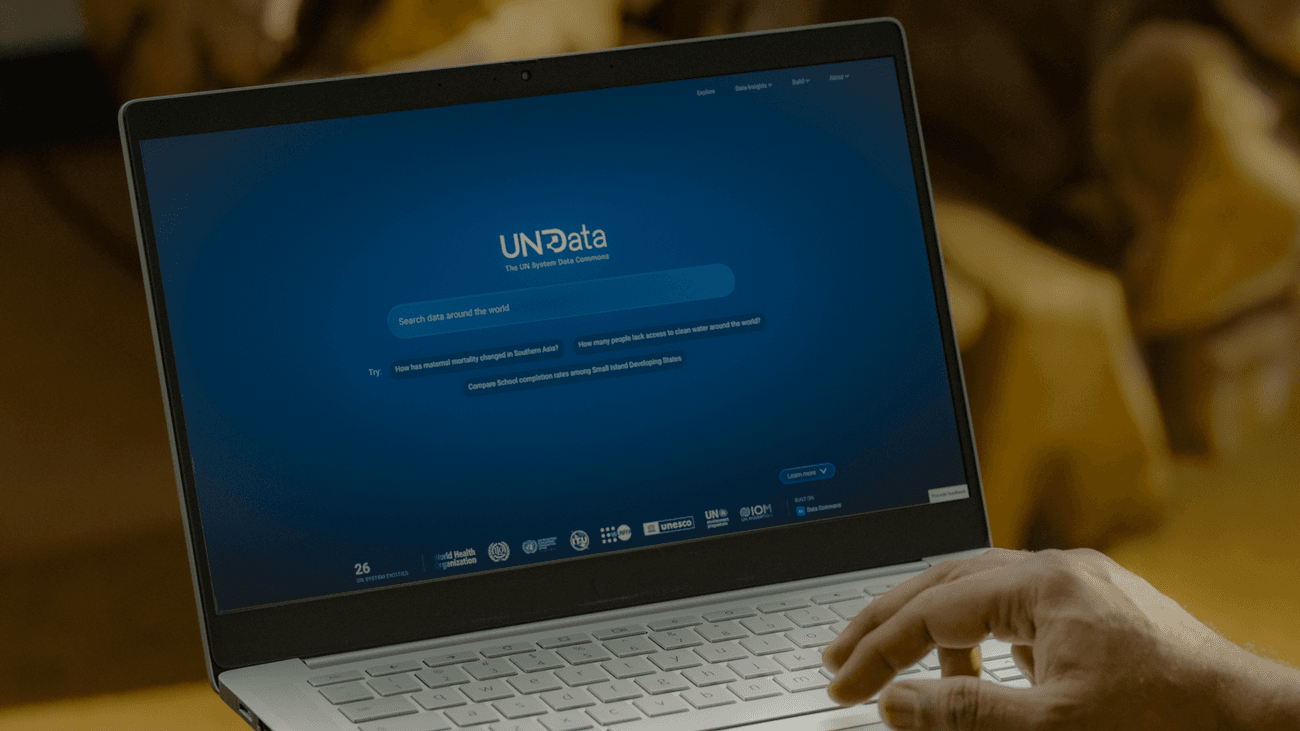
Google and the United Nations have jointly launched the UN System Data Commons, an open platform that pulls together global statistics from across the entire UN system into one searchable place.
Think of it as a Google Search — but specifically for the world's most authoritative datasets on health, climate, poverty, education, and more. No more hunting across dozens of agency websites hoping the data you need actually exists.
The Breakthrough: AI-Powered Search Across Global Open Data
The real leap here isn't just aggregation — it's discoverability. The platform uses AI to let users explore complex datasets using natural language, lowering the barrier from "data scientist" to "curious person with a question."
Previously, accessing UN data meant knowing which agency held it, navigating bureaucratic portals, and often downloading raw files before you could even see what was inside. This platform collapses all of that into a single, intelligent interface.
It builds on Google's existing Data Commons infrastructure, which already harmonises data from sources like the World Bank and the CDC — now extended to the full UN system for the first time.
What This Means for Learners
If you're building AI literacy, this platform is a goldmine. Real-world, high-quality, structured data is the fuel that makes AI projects meaningful — and now a vast library of it is open and searchable without a PhD to unlock it.
Whether you're learning to build AI-powered data tools, practising prompt engineering on real datasets, or just trying to understand how AI handles complex queries, this is a sandbox worth bookmarking. Our AI Agents course explores how tools like this fit into automated research pipelines, and Future of AI Inference digs into how AI processes and surfaces information at scale.
The bigger lesson: open data + AI interfaces is a pattern that's spreading fast. Understanding how to query, interpret, and build on platforms like this is becoming a core professional skill — not just a data scientist's trick.