Tokenization and Text Preprocessing
Learn how to clean and prepare text data. This is vital for effective AI models.
Why Tokenization Matters
preprocessing.">Tokenization creates discrete units from continuous text. It is the first step in preparing text for numerical representation. Without it, AI models can't understand the content.
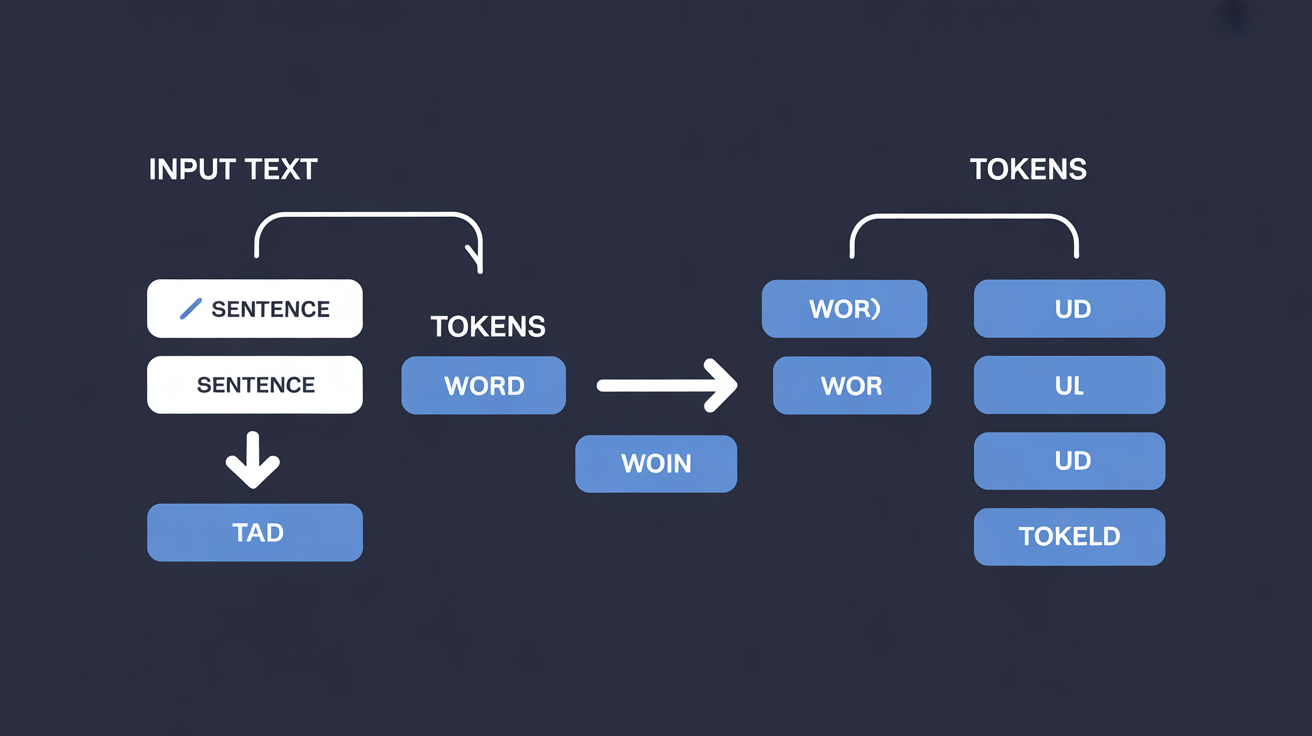
Consider a sentence like 'The cat sat on the mat.' After preprocessing.">tokenization, it becomes ['The', 'cat', 'sat', 'on', 'the', 'mat']. Each token represents a separate piece of information for the model.
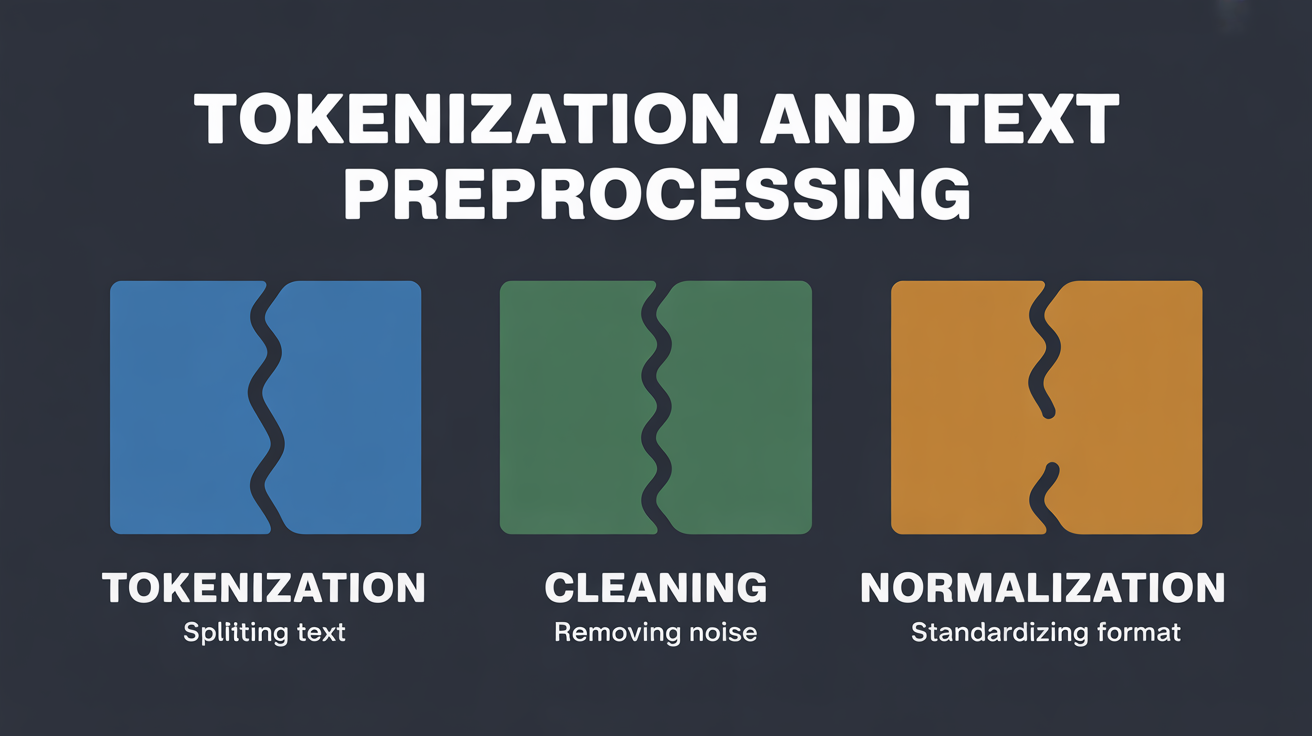
This visual illustrates how Tokenization and Text Preprocessing applies in real-world 6. Natural Language Processing scenarios.
Garbage in, garbage out. Clean data is the foundation of any successful AI project.
Before we begin
Can AI understand text directly? No, AI needs text to be converted into a numerical format it can process.
Which of these steps is NOT typically part of text preprocessing?
Breaking Down Text
Text Preprocessing: Before and After
The contrast shows how preprocessing transforms raw text into a cleaner, more usable format. This leads to better model performance and efficiency.
Dirty data hurts model accuracy. Spend time preprocessing text.
Tailor preprocessing steps to your specific task. Not all steps are always needed.
Preprocessing can significantly improve model speed. Less noise means faster training.
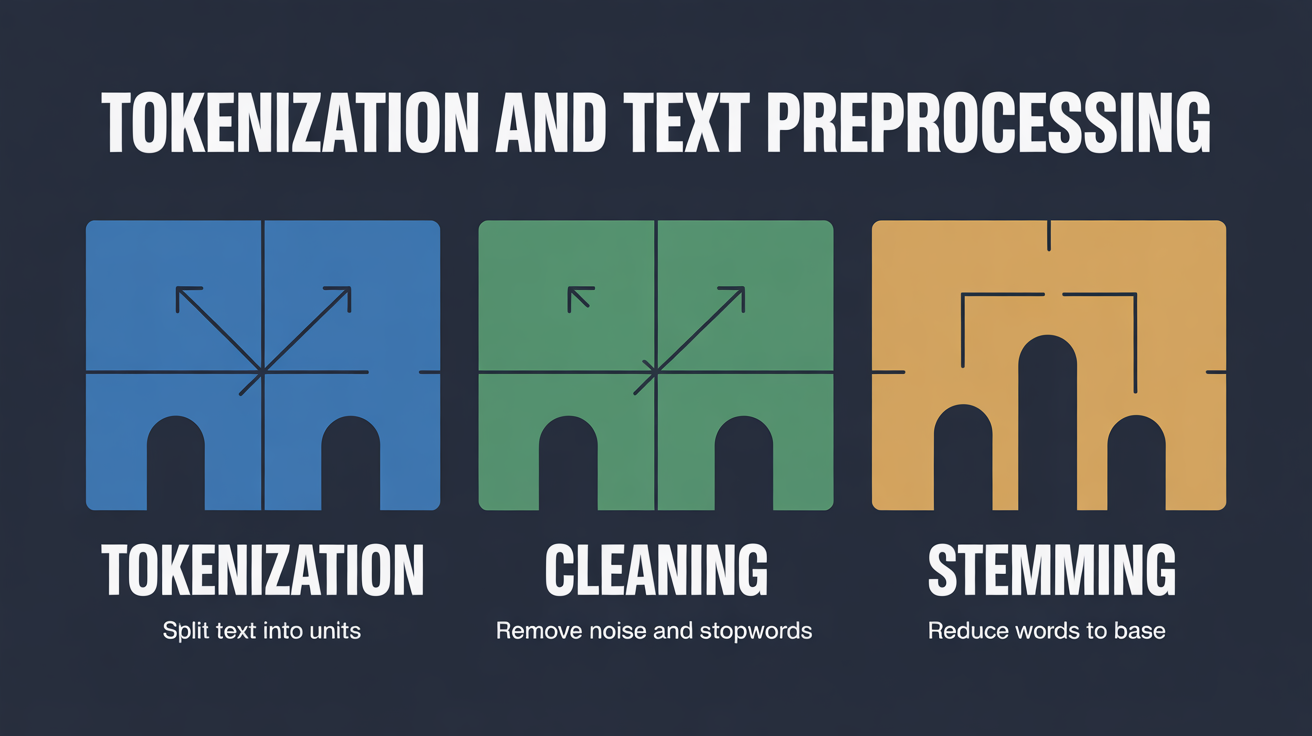
This visual illustrates how Tokenization and Text Preprocessing applies in real-world 6. Natural Language Processing scenarios.
See how lowercasing standardizes text. Consistency is vital for analysis.
Lowercasing Demo
Lowercasing ensures consistency in text. This video shows the transformation.
Consolidating Preprocessing
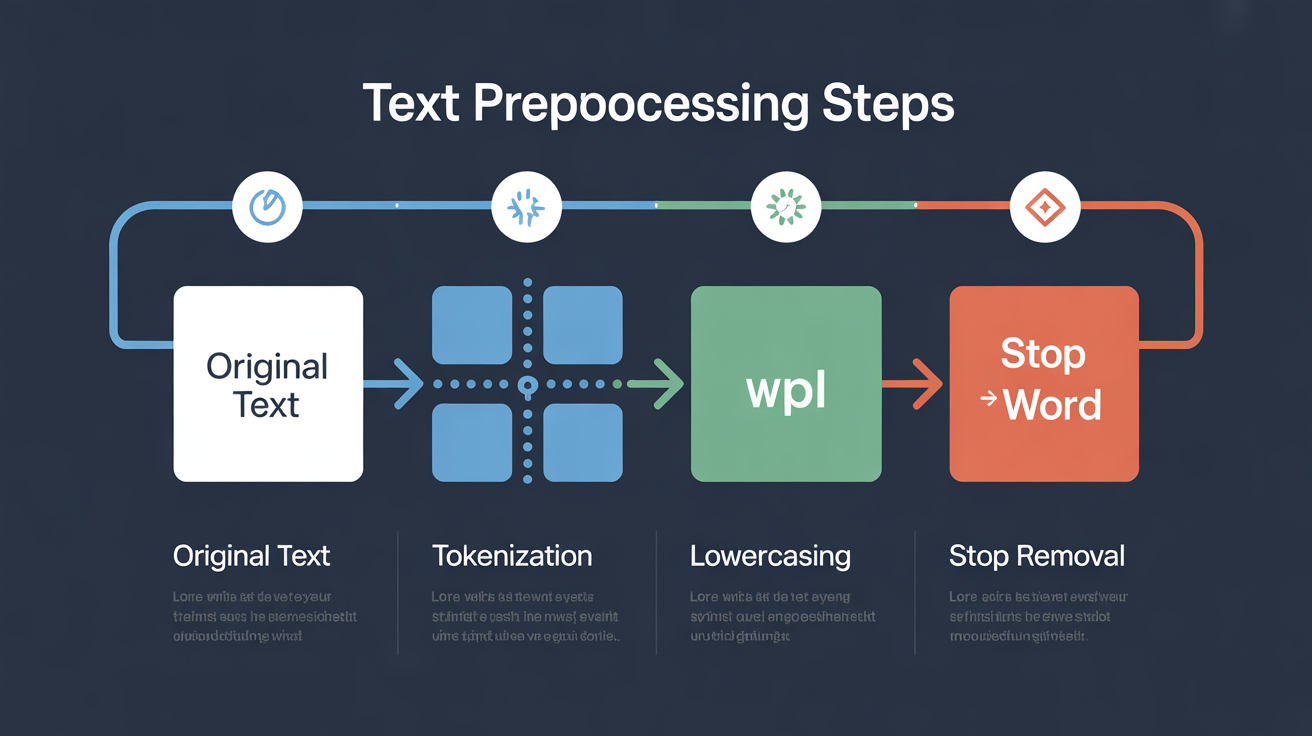
We've covered preprocessing.">tokenization, stop word removal, and lowercasing. These techniques prepare text for AI analysis. They create a clean, consistent representation.
Proper preprocessing is essential for building effective NLP models. Next, we will expand these techniques and explore more advanced concepts.
Key Preprocessing Steps
Tokenization
Splits text into individual units. It prepares text data for numerical representation.
Stop Word Removal
Removes common, meaningless words. This greatly reduces noise and increases efficiency.
Lowercasing
Converts text to lowercase. It ensures consistency and avoids duplication of same words.
Clean Data
Essential for model accuracy. Preprocessing is a critical step in any project.
Test Your Understanding
Complete the Tokenization Prompt
Fill in the blank sections of the prompt below to instruct an AI model on how to perform a detailed tokenization analysis for the given text.
You are an expert in Natural Language Processing. Your task is to analyze the following sentence: 'Machine learning models are often pre-trained on vast amounts of text data, isn't that fascinating?' Please tokenize this sentence using a [BLANK] tokenization strategy. After tokenizing, [BLANK]. Additionally, specify how you handle [BLANK] within the tokenization process.
Term Glossary
4 verified conceptsText Ready for AI
You now understand how to prepare raw text for AI. You can transform unstructured data into a usable format. This learn possibilities for AI applications.
Clean data enables reliable AI insights.
Next, explore feature extraction techniques.
Audio lesson recap
A concise audio summary of this lesson — great for reinforcing key concepts on the go.
Hear it discussed
About three minutes on the ideas in this lesson
Sterling
AI tutor
Vivienne
Sceptical challenger
Press play to start the discussion…
Full transcript · click any line to jump
Clean Data: Foundation for AI Success
Raw text contains noise and irrelevant information that degrades model performance. Prioritise thorough text preprocessing to ensure your AI projects succeed.
Tokenization: Text to Numerical Blocks
Tokenization splits text into individual units, preparing it for numerical representation. This fundamental step allows AI models to process and understand textual content.
Customise Preprocessing for Performance
Tailor preprocessing steps like stop word removal and lowercasing to your specific task. This customisation significantly improves model accuracy, speed, and efficiency.
Ask anything about Tokenization and Text Preprocessing. Sterling will answer — concisely, and with his customary level of patience.