What are Neural Networks?
Explore the architecture and function of neural networks. Understand their role as the foundation of deep learning.

Neural networks learn by adjusting their internal connections based on data.
You'll see a neural network processing an image. This shows how data flows through the network's layers.
Neural Network Visualisation
A visual introduction to the structure of a neural network.
Which statement best describes a neural network?
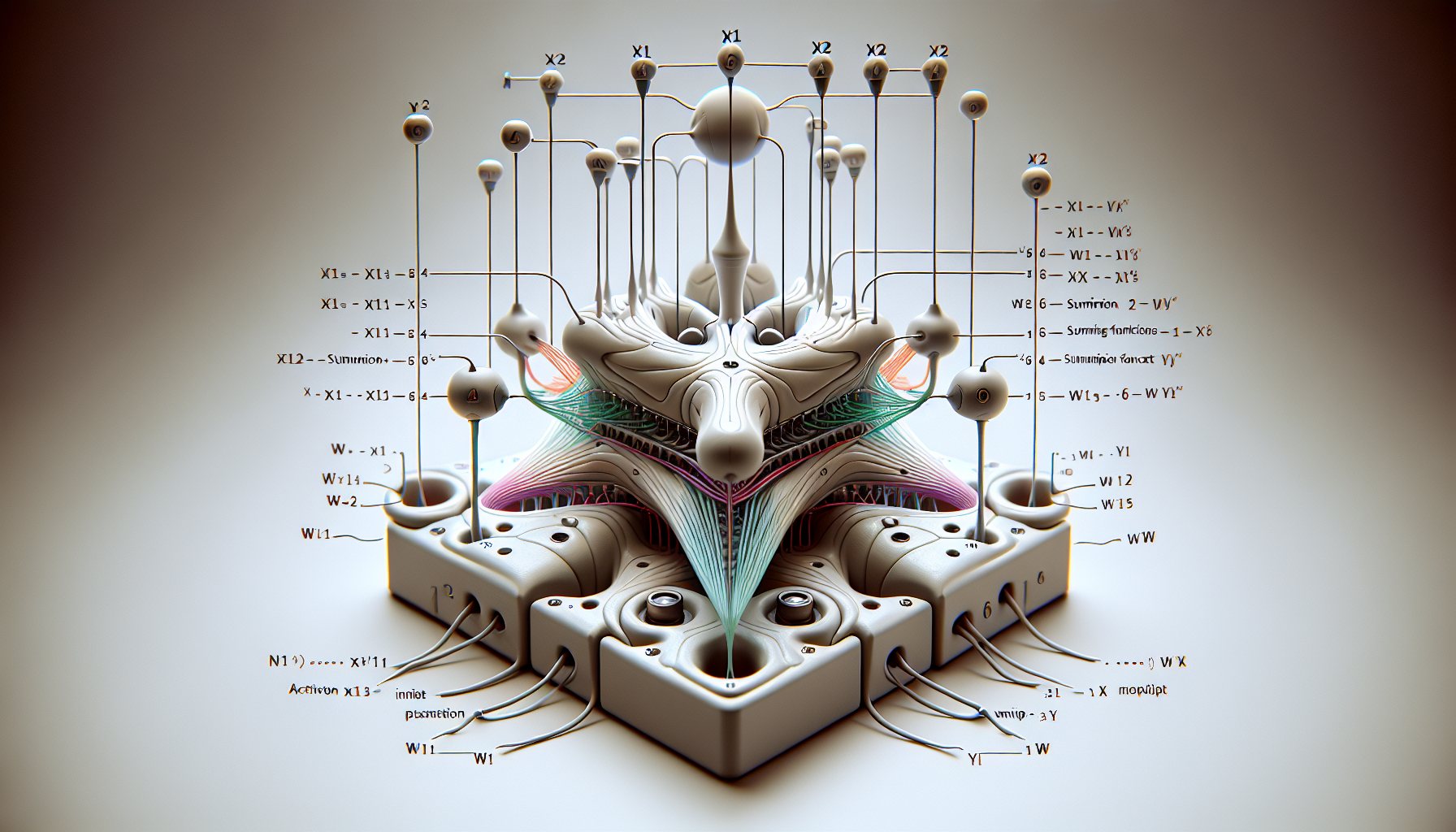
The Artificial Neuron
Connecting Neurons
Neural networks are built by connecting many artificial neurons together. These neurons are typically organised into layers: an input layer, one or more hidden layers, and an output layer.
Each connection between neurons has a weight associated with it. These weights determine the strength of the connection, and they are adjusted during the learning process.
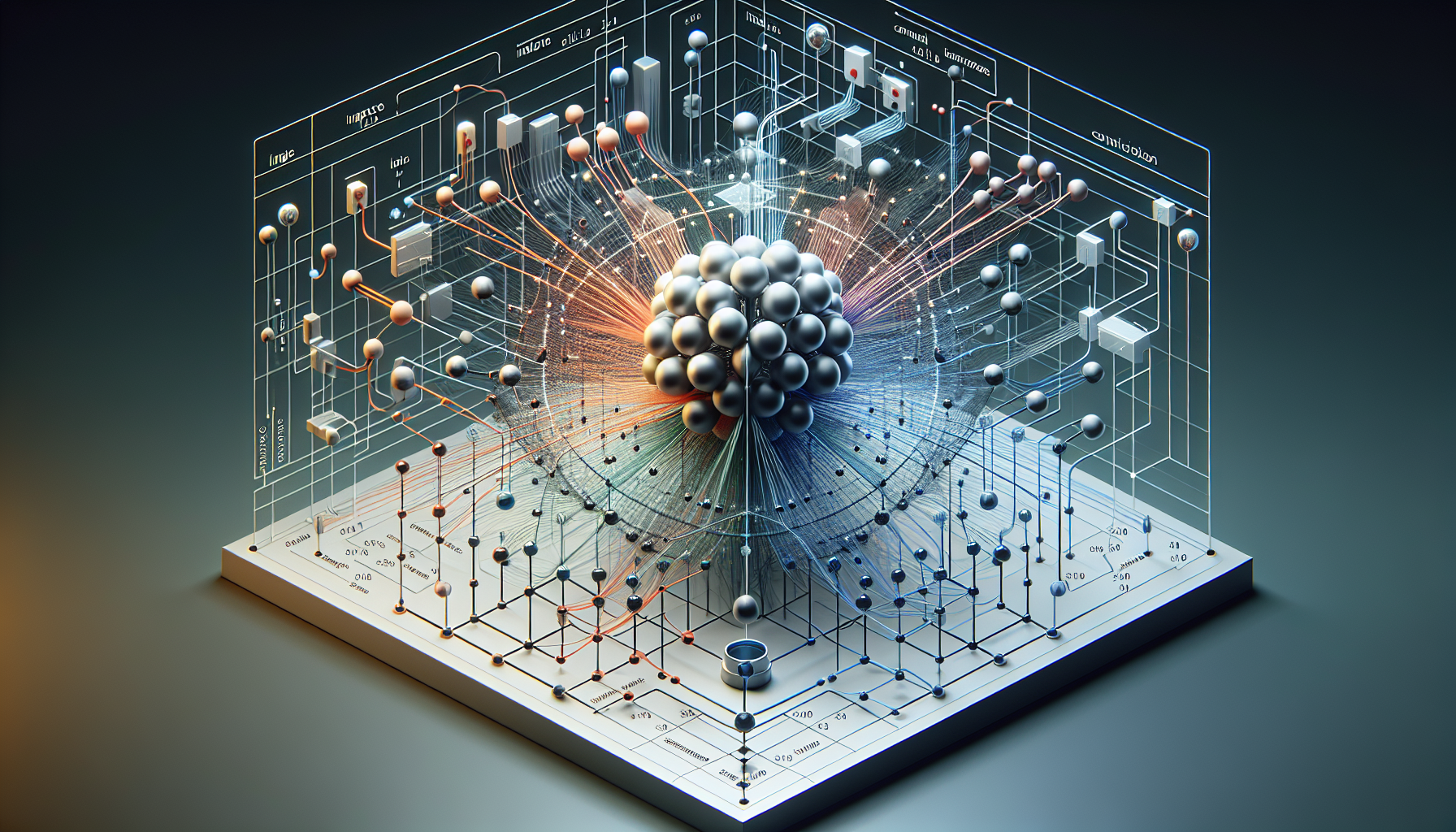
This visual reveals the layered architecture of a neural network. The connections between layers help complex computations. The strength of these connections is what allows the network to learn.
Learning Process
This comparison illustrates how neural networks improve through training. Before training, the network makes inaccurate predictions due to random weights. After training, weights are adjusted to minimise errors, leading to accurate predictions.
Neural networks draw inspiration from the structure of the human brain, but they are simplified models.
The weights on the connections between neurons determine the network's behaviour. Learning adjusts these weights.
Multiple layers allow neural networks to learn complex, non-linear relationships in data.
You will see how deep learning architectures evolve from basic neural networks. This highlights the role of depth in achieving greater complexity and performance.
Deep Learning Explained
A short animation explaining how deep learning builds upon neural networks.
Neural Networks and Deep Learning
Deep learning is a subset of machine learning that uses neural networks with many layers (hence, 'deep'). These deep networks can learn more complex patterns than traditional neural networks.
The increased depth allows deep learning models to automatically extract features from raw data. This eliminates the need for manual feature engineering, a time-consuming and often difficult task.
If you remember only three things…
Neurons and Weights
Neural networks consist of interconnected neurons, with weights determining connection strength. These weights are adjusted during learning.
Layered Architecture
Neurons are organised into layers, including input, hidden, and output layers. This layered structure enables complex computations.
Deep Learning
Deep learning uses neural networks with many layers, allowing for the automatic extraction of features from raw data.
Learning by Adjustment
Models do not learn all at once. They improve through small, disciplined corrections.
Test Your Understanding
Complete Neural Network Explanation Prompt
Complete the prompt below to ask an AI to explain neural networks effectively to a non-technical audience.
You are a helpful AI assistant. Explain what a neural network is to a [BLANK] audience. Use an [BLANK] analogy to describe its core components, focusing on how information flows through [BLANK] and [BLANK] layers to produce an output.
Term Glossary
12 verified conceptsThe Foundation learn
You now understand the fundamental building blocks of neural networks and how they relate to deep learning. You've grasped the importance of layered architectures and weighted connections in enabling complex computations.
This is where systems move beyond fixed rules and begin to learn from experience.
Next, we'll explore different types of neural network architectures, such as convolutional neural networks, to see how these principles are applied in practice.
Audio lesson recap
A concise audio summary of this lesson — great for reinforcing key concepts on the go.
Hear it discussed
About three minutes on the ideas in this lesson
Sterling
AI tutor
Vivienne
Sceptical challenger
Press play to start the discussion…
Full transcript · click any line to jump
Define Neural Networks and Deep Learning
Understanding neural networks is crucial for grasping how AI systems learn and make decisions in real-world applications. This foundational knowledge helps build a mental model for more complex deep learning architectures.
Weights Adjust for Network Learning
Neural networks learn by adjusting the weights of their internal connections based on data. These weights determine the strength of connections and are refined during the training process to minimise errors.
Deep Learning Automates Feature Extraction
Deep learning, a subset of machine learning, uses neural networks with many layers to automatically extract features from raw data. This eliminates the need for time-consuming manual feature engineering.
Ask anything about What are Neural Networks?. Sterling will answer — concisely, and with his customary level of patience.