Understanding Core AI Concepts
Explore the essential components of AI and how they interact.
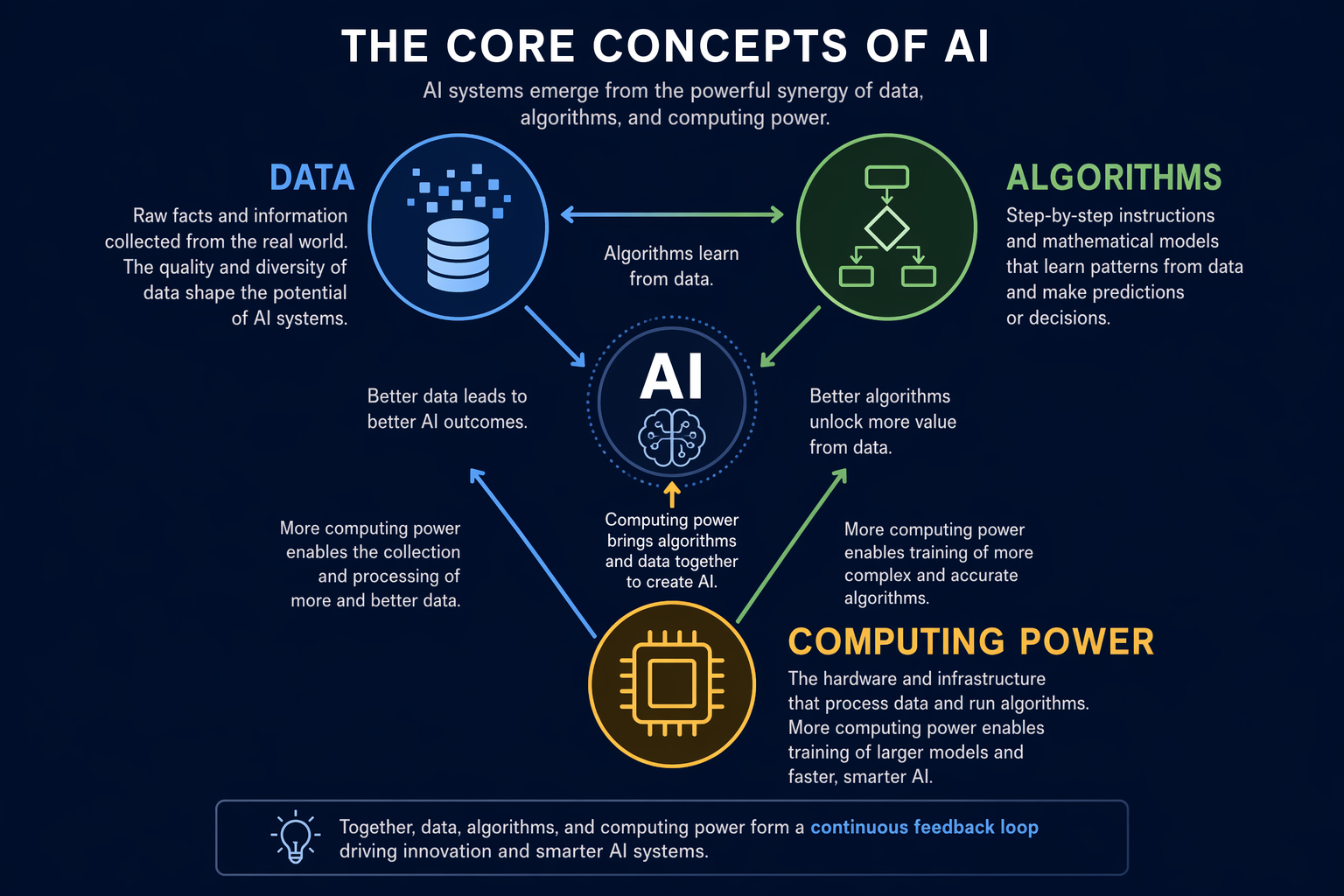
AI thrives on data, algorithms, and computing power.
What do you predict are the three core components of AI?
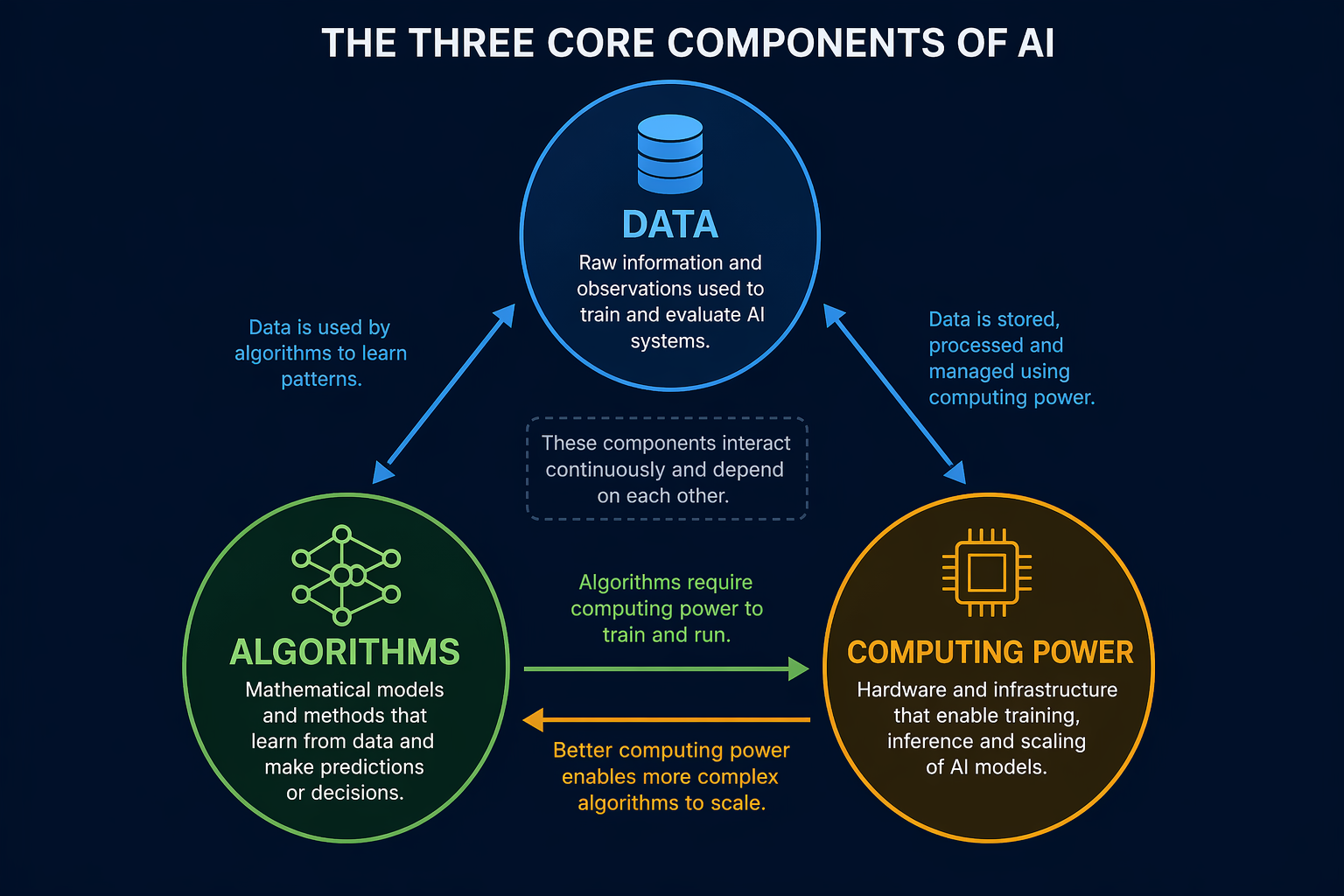
Understanding AI Components
The Role of Data
algorithms.">Data is the lifeblood of AI. Without quality algorithms.">data, algorithms cannot learn or make accurate predictions.
The Importance of Algorithms
Algorithms process algorithms.">data to identify patterns and make decisions. They determine how effectively an AI system can learn from algorithms.">data.
Computing Power
Computing power enables algorithms to process vast amounts of algorithms.">data quickly. More effective computing resources lead to faster and more complex AI models.
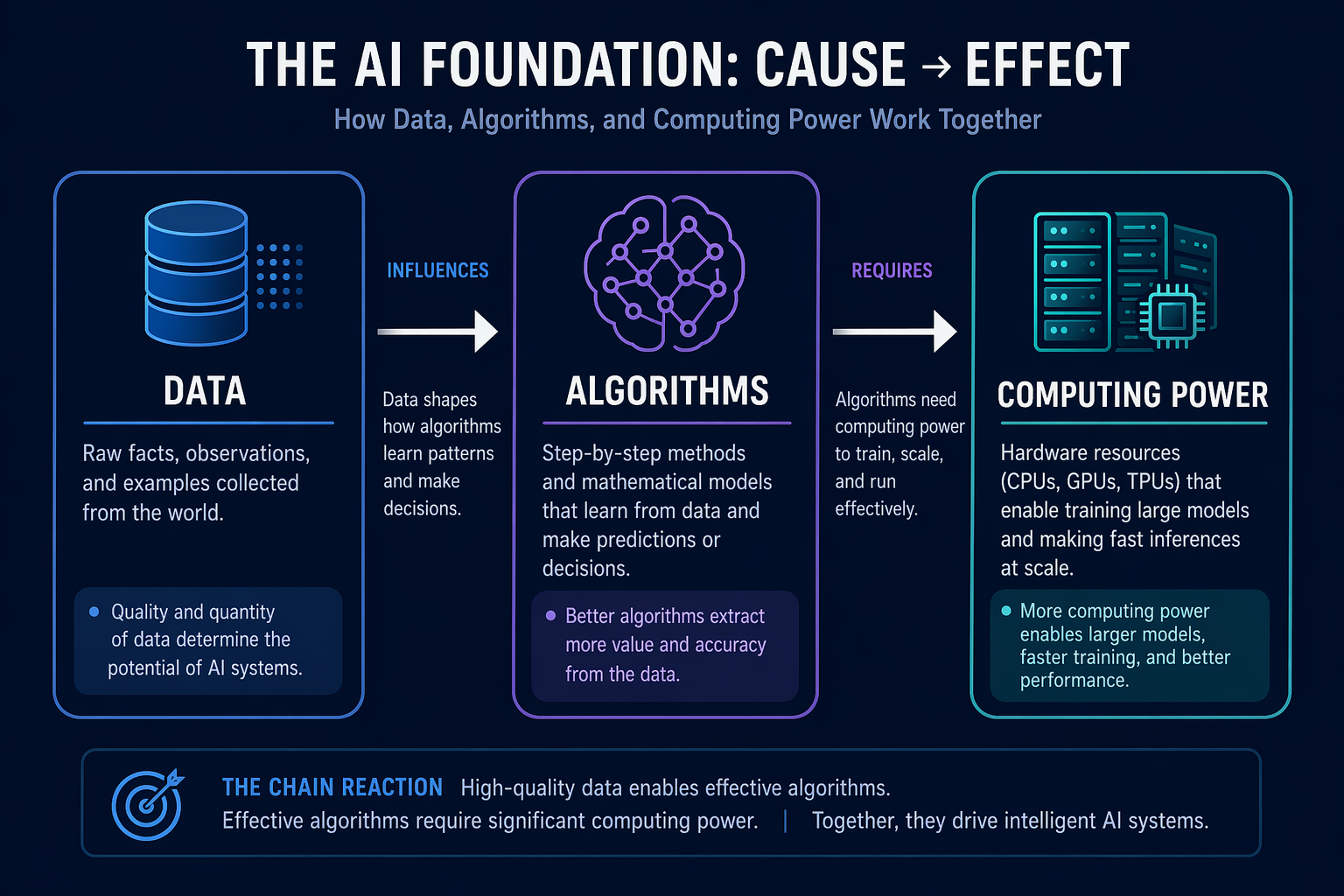
This flowchart reveals how each component of AI is interdependent. Data informs algorithms, and algorithms rely on computing power to process this data. Understanding these relationships is critical for optimising AI systems.
Before and After AI Integration
This contrast highlights the significant improvements AI brings to traditional systems. AI-enhanced systems automate and optimise processes, leading to faster and more accurate outcomes.
High-quality data leads to better AI performance. Poor data can mislead algorithms and produce inaccurate results.
Different algorithms can yield varying results. Choosing the right algorithm is crucial for specific tasks.
More computing power allows for more complex models. This can significantly enhance AI capabilities.
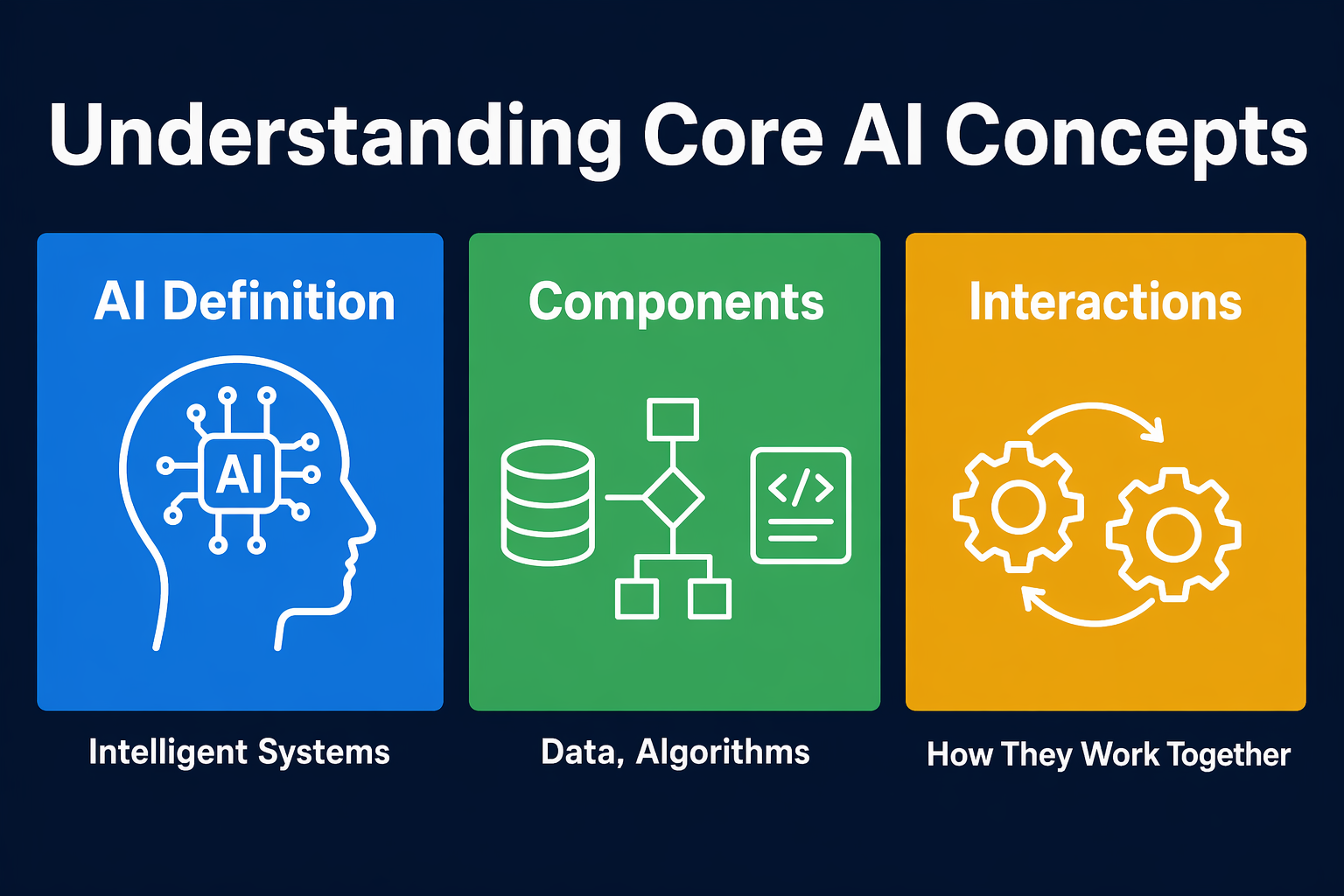
This visual illustrates how Understanding Core AI Concepts applies in real-world AI for Business & Strategy scenarios.
This clip visually illustrates how data, algorithms, and computing power interact within AI systems. Understanding this interaction is essential for grasping AI's capabilities.
AI Components in Action
An overview of AI's core components.
Real-World Applications
AI is transforming industries, from healthcare to finance. Understanding its core components helps in identifying opportunities for innovation.
If you remember only three things…
Data is Essential
Data is the foundation of AI systems, enabling learning and decision-making.
Algorithms Matter
The choice of algorithms significantly impacts AI performance and outcomes.
Computing Power Enhances Capability
More computing power allows for the processing of larger datasets and more complex models.
Integration Transforms Systems
AI integration leads to faster insights and improved accuracy in various applications.
Test Your Understanding
Choose AI Strategy for Client FAQs
Recommend the most suitable AI strategy for LedgerPro's client FAQ automation, justifying your choice based on the provided constraints.
A regional accounting firm, "LedgerPro," wants to automate part of its client interaction, specifically answering common questions about tax deadlines and basic compliance rules. They have a comprehensive internal knowledge base of FAQs but very little historical conversational data from clients. Their goal is to provide consistent, accurate answers quickly without incurring high development costs or needing a team of AI data scientists. Accuracy for compliance information is paramount.
Term Glossary
4 verified conceptsFrom Reaction to Prediction
You now understand the essential components of AI and their interactions. This knowledge shifts your perspective on how AI systems function.
This is where intelligent systems stop reacting — and start anticipating.
The next lesson will explore how AI applies these components to solve real-world problems.
Audio lesson recap
A concise audio summary of this lesson — great for reinforcing key concepts on the go.
Hear it discussed
About three minutes on the ideas in this lesson
Sterling
AI tutor
Vivienne
Sceptical challenger
Press play to start the discussion…
Full transcript · click any line to jump
Data, Algorithms, Computing Power: AI's Pillars
Understanding these three core components is fundamental to grasping how AI systems function and interact. This knowledge forms the basis for identifying opportunities and optimising AI performance in various applications.
Quality Data Drives AI Success
High-quality data is the lifeblood of AI, enabling algorithms to learn effectively and make accurate predictions. Conversely, poor data can significantly mislead AI systems, leading to inaccurate and unreliable outcomes.
Integration Transforms Traditional Systems
Incorporating AI into existing systems automates and optimises processes, delivering faster insights and improved accuracy. This integration is crucial for enhancing efficiency and decision-making across diverse industries.
Ask anything about Understanding Core AI Concepts. Sterling will answer — concisely, and with his customary level of patience.