AI governance just got a deadline — and OpenAI's top policy voice is warning that the window to set lasting safety standards won't stay open forever.
What Chris Lehane Actually Said
OpenAI's Chief Global Affairs Officer Chris Lehane published a pointed argument this week: as AI capabilities grow stronger, the evidence base for safety must grow with them — and governments need to act while the political conditions still allow it.
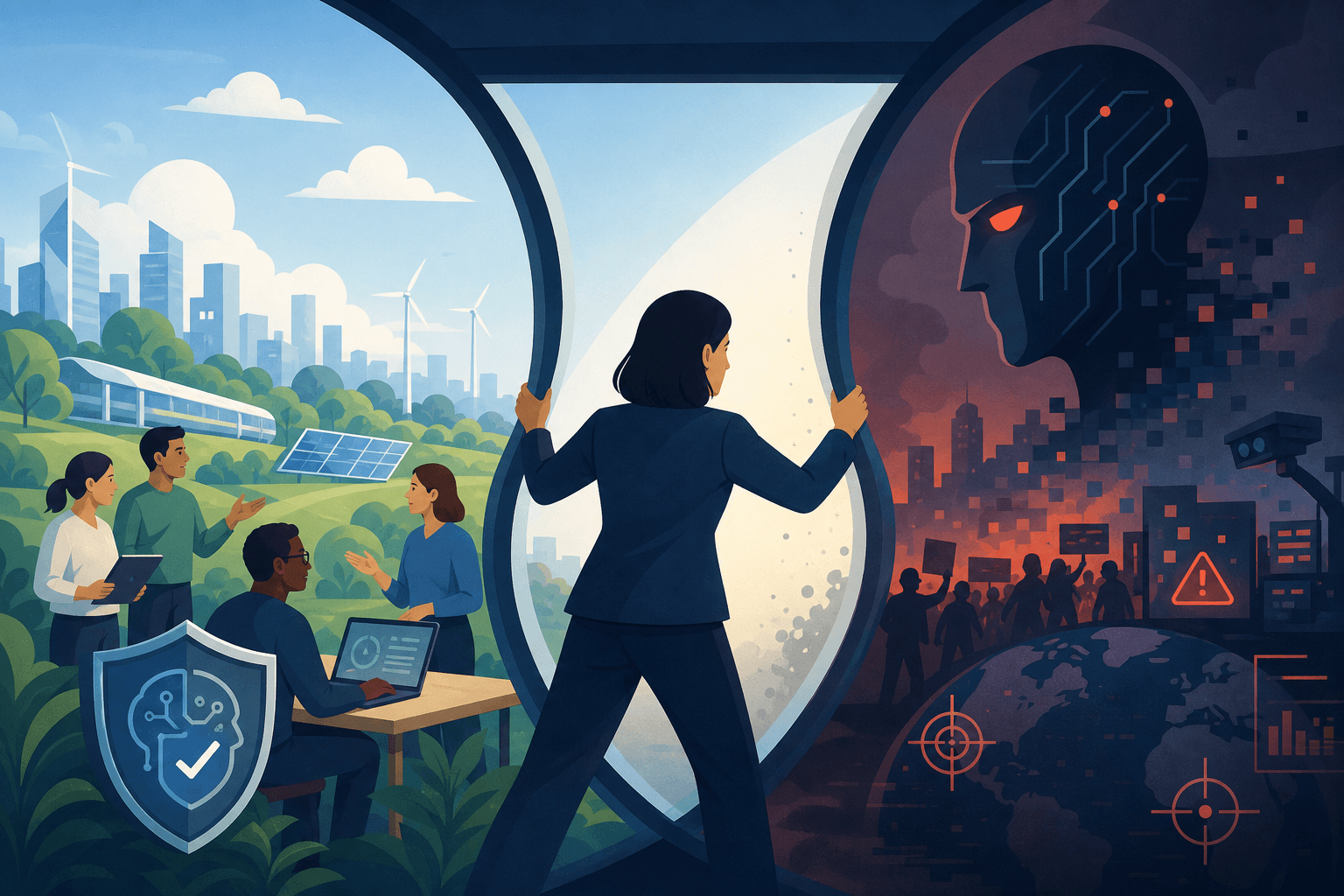
The core logic is simple but easy to miss. Policy windows — moments when lawmakers are motivated, informed, and politically able to act — are rare. Lehane argues this one is closing, and without durable frameworks locked in now, the rules of the road for advanced AI will be written reactively, after something goes wrong.
The AI Safety Policy Breakthrough Hidden in Plain Sight
The most significant line in Lehane's piece isn't about regulation — it's about shared standards. He's calling for cross-industry agreement on what safety evidence actually looks like, not just company-by-company promises.
That's a meaningful shift. It moves the conversation from "trust us" to "here's the measurable bar we all have to clear." For anyone following the AI assurance space, this is the kind of structural change that shapes how models get deployed at scale.
If you want to understand how organisations are building AI accountability frameworks right now, the Leading AI Assurance course breaks down exactly what responsible deployment looks like in practice.
What This Means for Learners
Here's the practical read: AI policy is no longer a background topic for lawyers and lobbyists. It's becoming a core literacy skill for anyone building with, buying, or managing AI tools.
Understanding why safety standards matter — and how they shape what AI systems can and can't do — gives you a sharper lens on every model release, every capability announcement, and every deployment decision you'll face. The The AGI Race course puts the competitive and regulatory pressures Lehane is describing into direct context.
The policy window being open means the rules are still being written. That's not a threat — it's an invitation to understand the game while the board is still being set up.