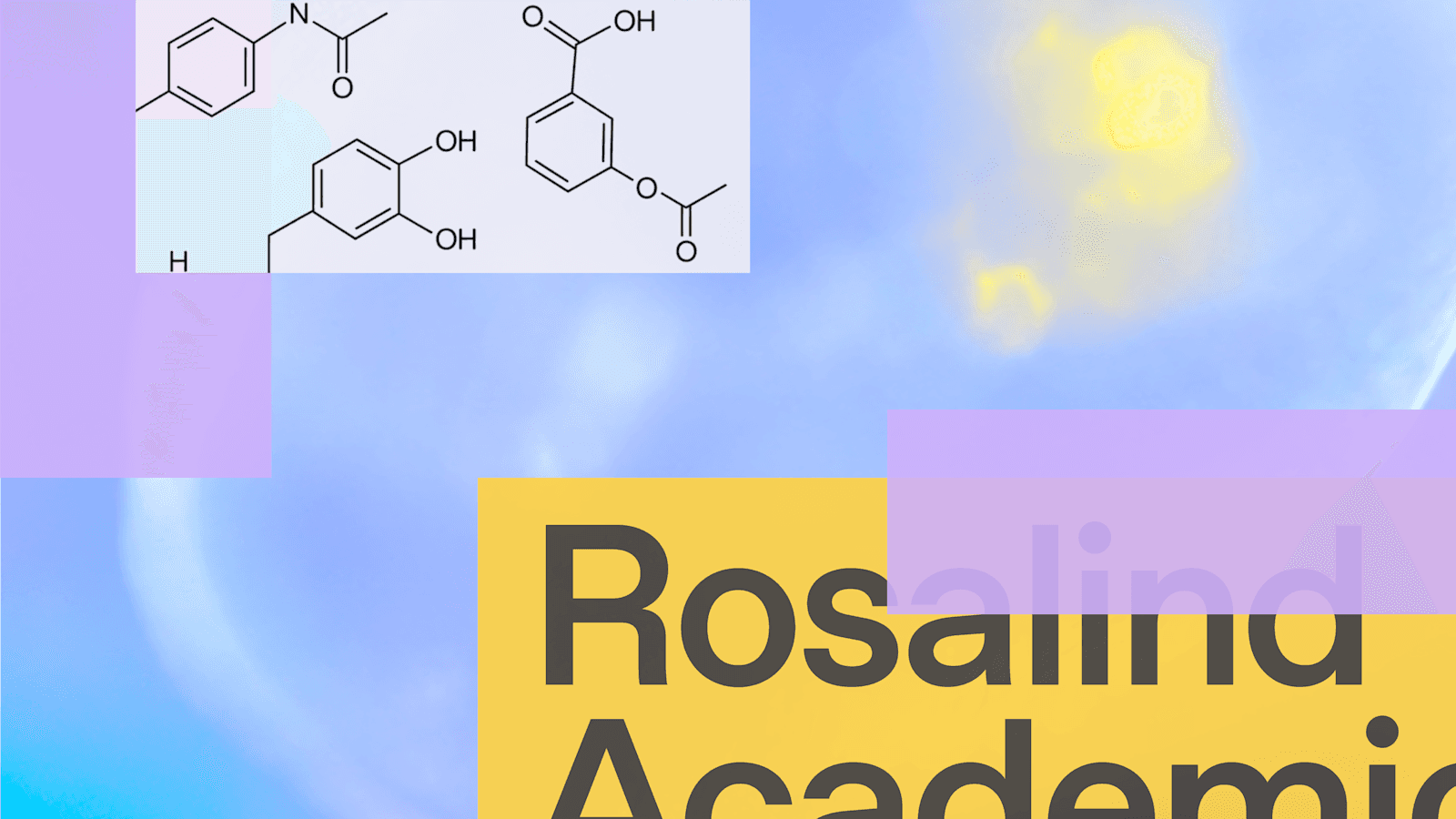
OpenAI just handed academic researchers a sponsored key to GPT-Rosalind — its most capable life sciences model — and that could reshape how universities do biology, genomics, and drug discovery.
What Is GPT-Rosalind and Why Does It Matter for Life Sciences?
GPT-Rosalind is OpenAI's specialised model built for life sciences research — think protein function prediction, genomic analysis, and literature synthesis at a scale no single lab team could manage alone. Named after the pioneering crystallographer Rosalind Franklin, the model signals OpenAI's intent to go deep on scientific reasoning, not just general-purpose chat.
The new Rosalind Academic Plan gives eligible university and research labs sponsored access — meaning OpenAI absorbs the cost — along with a suite of tools purpose-built for scientific workflows. That's a significant shift from pay-per-token pricing that has historically kept cutting-edge AI out of underfunded labs.
A Breakthrough in AI-Powered Scientific Research Access
The real story here isn't just a new model — it's democratisation. Top-tier AI for life sciences research has largely been the playground of well-funded biotech firms and Big Pharma. Sponsored academic access flips that dynamic, putting the same AI-powered scientific research tools in the hands of a PhD student in Edinburgh or a genomics lab in Nairobi.
OpenAI hasn't published the full eligibility criteria yet, but the announcement targets "academic labs" broadly, suggesting a wider net than previous research programmes. Labs will also get access to tools designed to integrate with existing research pipelines — not just a chat interface bolted onto a browser tab.
What This Means for Learners
If you're studying biology, bioinformatics, medicine, or any adjacent field, this is the moment to build fluency with AI-assisted research workflows — because your future colleagues and competitors will be using these tools from day one. Understanding how models like GPT-Rosalind reason about scientific data is rapidly becoming a core research skill, not an optional extra.
Start by sharpening your general AI collaboration skills with Claude: Your AI Working Partner, which covers how to prompt and direct AI models for complex, knowledge-heavy tasks. If you want to understand the broader trajectory of where AI scientific capability is heading, The AGI Race gives essential context on why labs like OpenAI are investing so heavily in domain-specific models right now.
The window to get ahead of this curve is open — but it won't stay open long.