When an astronaut and Google's top AI researcher sit down together, the conversation reveals something practical: the same curiosity-driven mindset that gets humans to space is exactly what makes someone good at using AI tools today.
AI Curiosity as a Productivity Skill
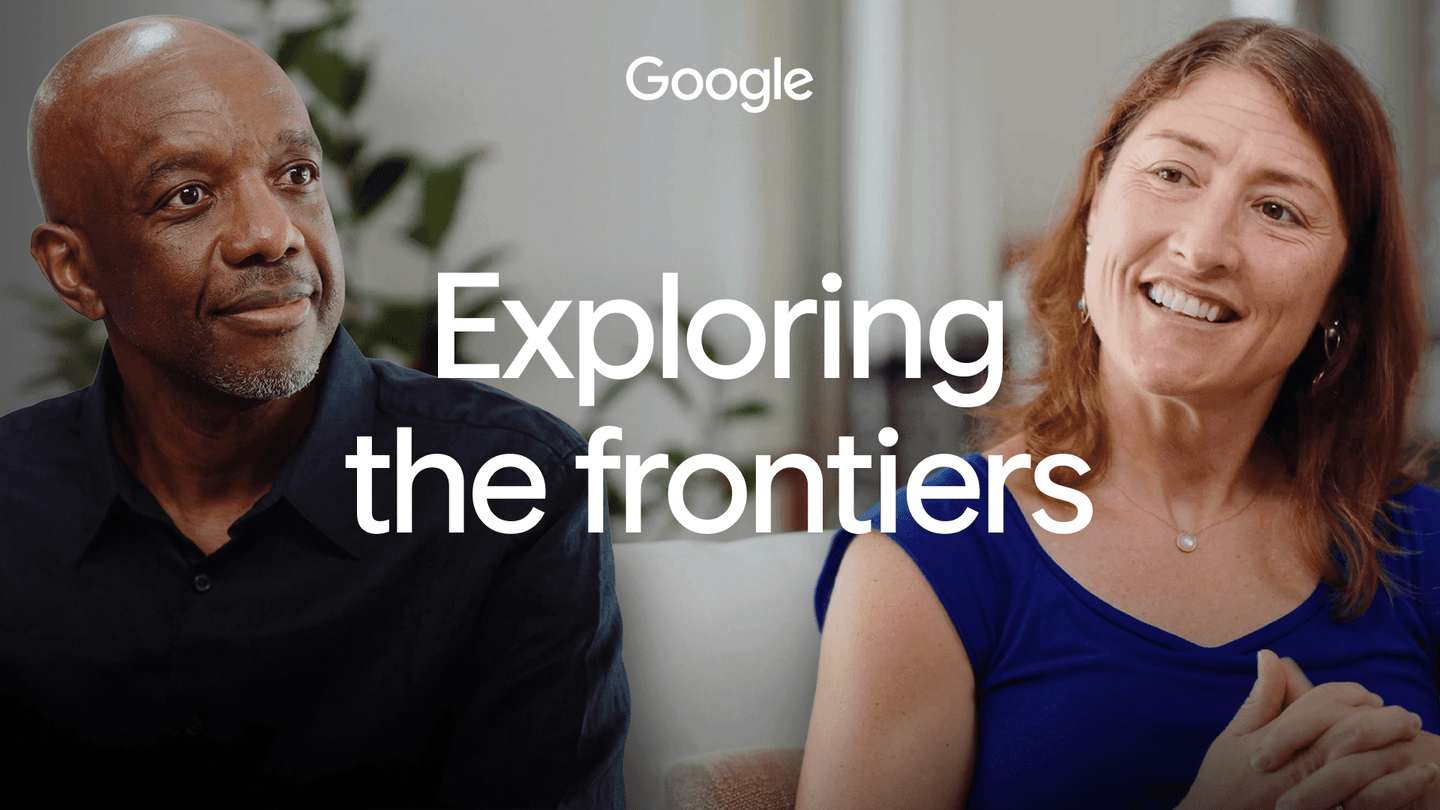
Christina Koch — NASA astronaut and record-holder for the longest single spaceflight by a woman — joined Google's James Manyika, SVP of Research, Technology & Society, for a wide-ranging conversation on space, discovery, and the role of AI in pushing human limits.
The core thread? Both fields reward people who ask better questions. Astronauts don't just follow checklists — they adapt, hypothesise, and problem-solve in real time. Sound familiar? That's also the skill that separates a mediocre AI user from a genuinely productive one.
The Practical Takeaway: Explore Like a Scientist, Prompt Like One Too
Koch's approach to discovery maps directly onto how you should be working with AI tools right now. Start with a clear objective, test your assumptions, iterate fast, and don't be afraid when the first result isn't what you expected.
Manyika's framing at Google reinforces this: AI is most powerful when paired with genuine intellectual curiosity, not just task automation. The people getting the most out of tools like Gemini, Claude, or ChatGPT are treating them like a research partner, not a search bar.
Try it today: take one question you'd normally Google and instead have a full exploratory conversation with an AI — ask follow-ups, challenge the answers, go deeper. That single habit shift changes everything.
If you want to build that research-partner dynamic with AI, Claude: Your AI Working Partner is a solid place to start — it's built around exactly this kind of collaborative, iterative workflow.
What This Means for Learners
The Koch–Manyika dialogue is a reminder that AI literacy isn't just about knowing which tools exist — it's about developing the mindset to use them well. Curiosity, structured thinking, and comfort with uncertainty are the real skills.
If you want to go further, AI Agents explores how autonomous AI systems are being designed to do exactly what Koch describes: pursue goals, adapt to new information, and operate in unpredictable environments. The overlap between space exploration and AI development is less metaphorical than it sounds.