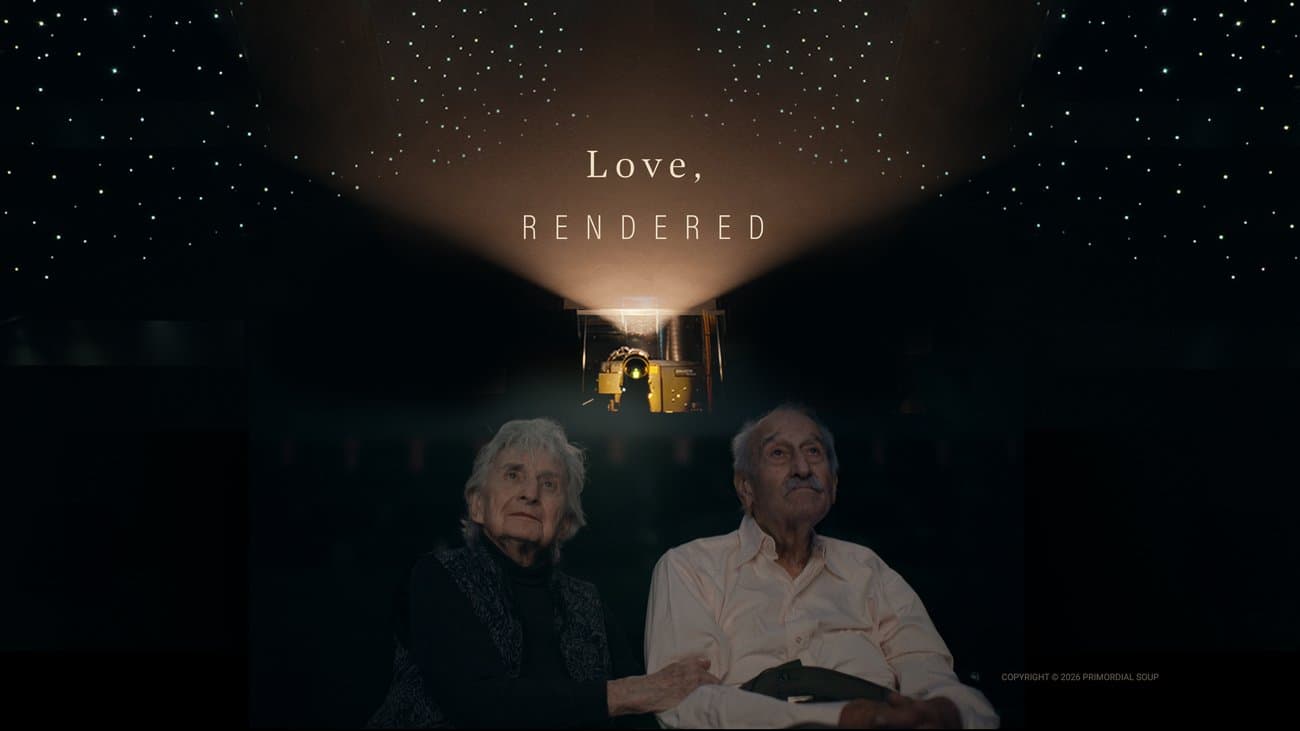
Generative AI just crossed a line that most of us hadn't thought about yet: using machine learning to reconstruct real people's private pasts — and calling it art.
What Google DeepMind Actually Built
In a short film called Love, Rendered, filmmakers partnered with Google DeepMind to recreate decades of a real couple's life that were never recorded on camera. Using generative AI, the team synthesised scenes, faces, and moments from a 70-year relationship — filling in the gaps that no photograph or video ever captured.
The result is visually stunning. It's also a case study in how powerful AI image and video generation has become: the technology can now construct plausible, emotionally resonant versions of real people's lived experiences, not just fictional characters.
The Business and Ethics Fault Line
This is where the generative AI business impact gets complicated. On one hand, this is a legitimate and moving use case — a family consented, a creative team collaborated, and the output honours real lives. On the other hand, the same pipeline could reconstruct anyone's past without their knowledge or approval.
The industry is watching closely. If AI can render a convincing 1950s kitchen scene featuring a real person who never sat for a camera, what stops bad actors from doing the same — for fraud, manipulation, or synthetic defamation? Regulators in the EU and US are already grappling with AI-generated likenesses, but Love, Rendered shows the technology is moving faster than the legal frameworks designed to contain it.
For brands and media companies, the commercial opportunity is real: personalised memorial content, historical documentary reconstruction, and heritage storytelling are all emerging markets. But each carries reputational and legal exposure that most organisations haven't priced in yet.
What This Means for Learners
Understanding how AI agents and generative models are being deployed in creative industries is fast becoming a core professional literacy skill — not just for technologists, but for marketers, lawyers, journalists, and executives. Stories like this one are exactly why.
If you want to understand how AI systems are designed, governed, and deployed responsibly, our Leading AI Assurance course walks through the frameworks practitioners actually use. And if you're curious about the deeper question of where AI cognition ends and human experience begins, AI Is More Human Than You Think is a sharp place to start.
The bottom line: generative AI is no longer just a productivity tool. It's a memory machine — and the rules for operating one ethically are still being written.