Defining AI Agents
In this lesson, we will explore the defining characteristics of AI agents and how they operate.
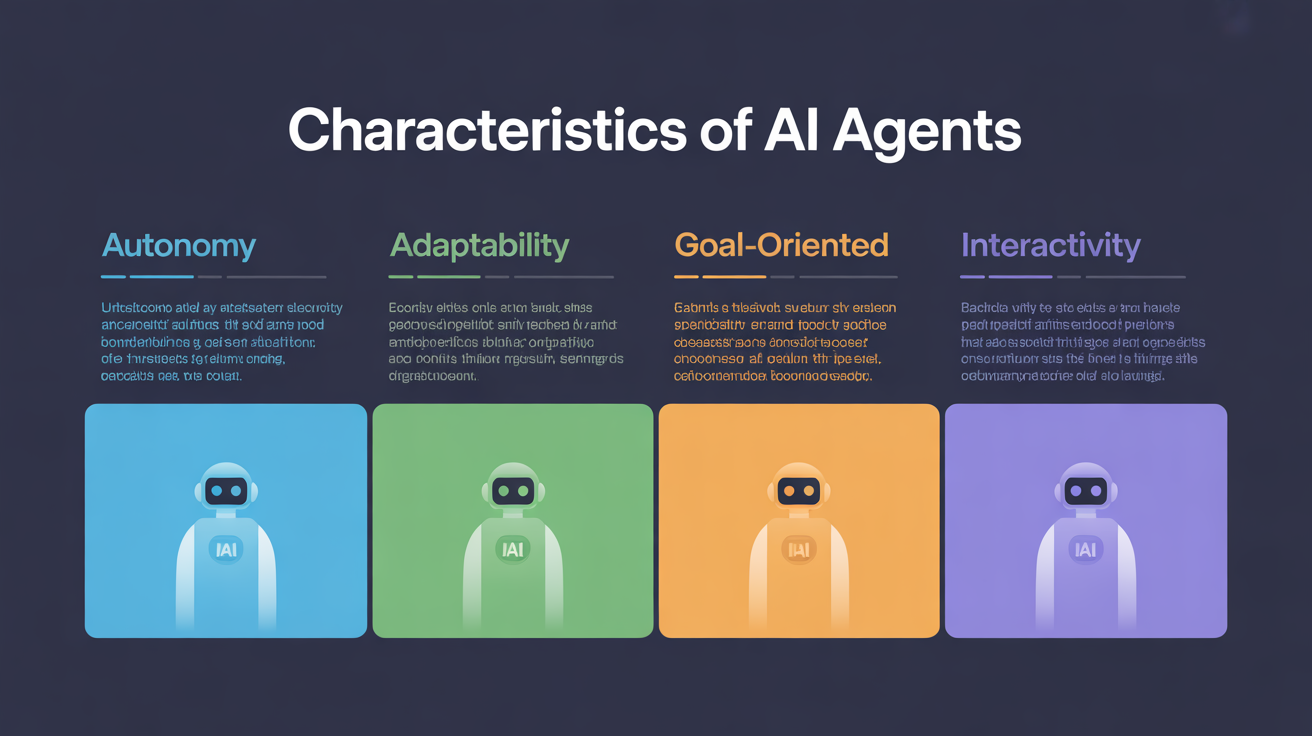
Understanding Autonomy
Autonomy is the core characteristic of AI agents. It allows them to operate independently, making decisions based on their environment and objectives.
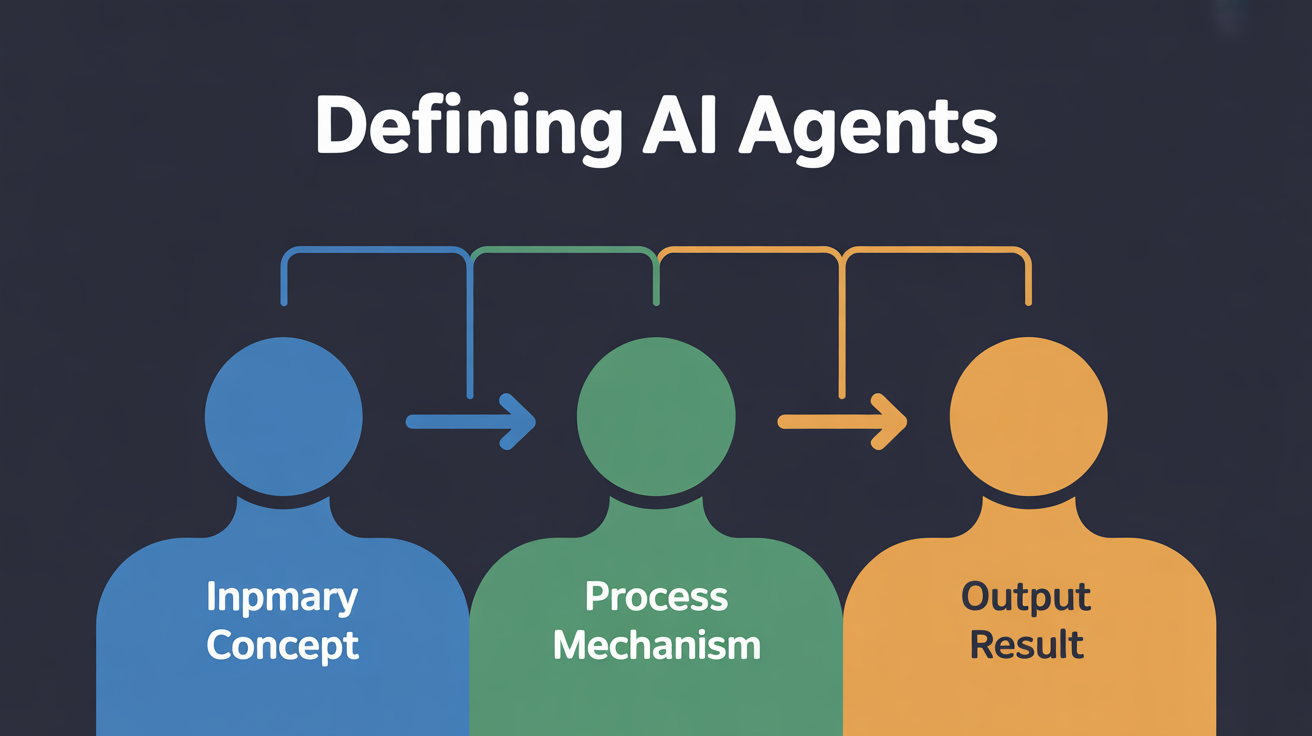
This visual illustrates how Defining AI Agents applies in real-world Agentic AI for Beginners scenarios.
AI agents are not just tools; they are autonomous entities that can learn and adapt.
What do you think defines an AI agent?
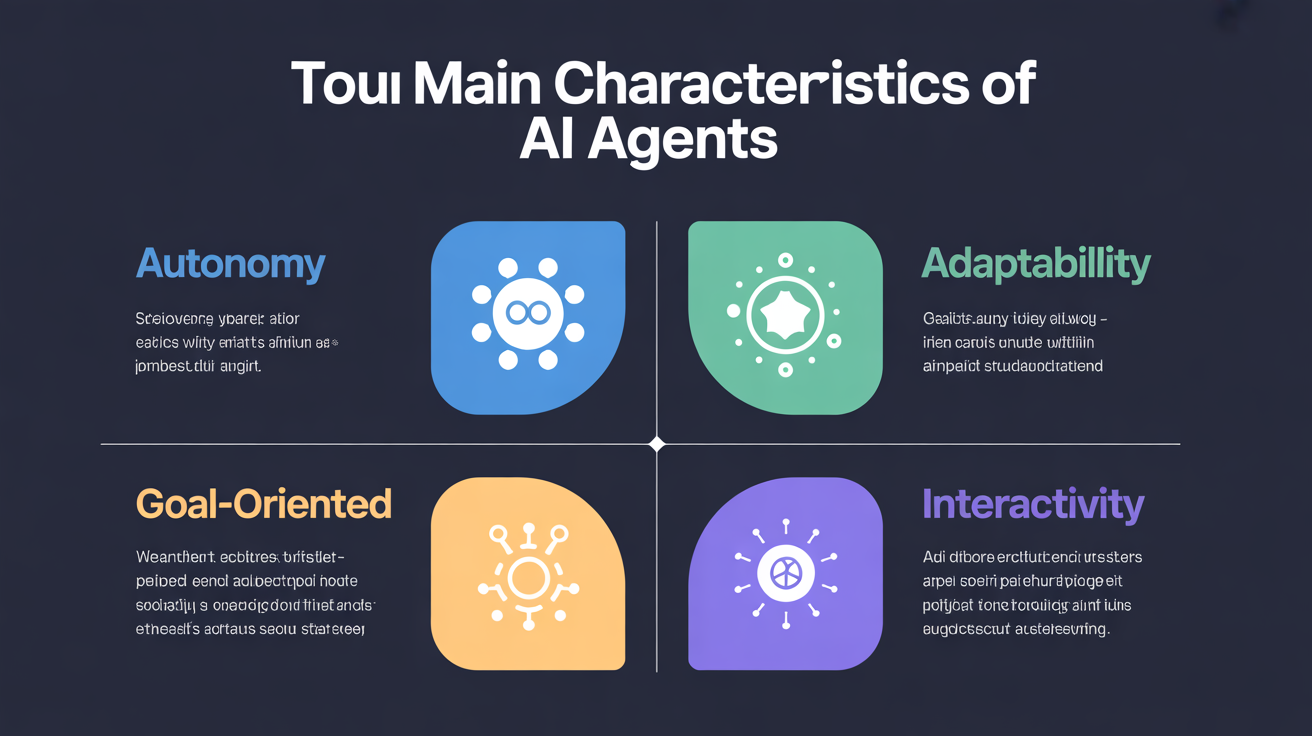
Key Traits of AI Agents
Cause-Effect Chain of AI Agent Characteristics
This diagram highlights the key differences between autonomous AI agents and non-autonomous systems. Autonomous agents can independently process data and make decisions, leading to greater efficiency and adaptability. In contrast, non-autonomous systems rely heavily on human input, limiting their effectiveness.
AI agents continuously learn from their environment, allowing them to improve their performance over time.
AI agents are designed to achieve specific goals, making them effective in targeted tasks.
The ability to interact with users and other systems enhances the functionality of AI agents.
Viewers will see how AI agents function in real-world applications, demonstrating their autonomy and adaptability. This visualisation matters as it connects theoretical concepts to practical use.
AI Agents in Action
See how AI agents operate autonomously in real-world scenarios.
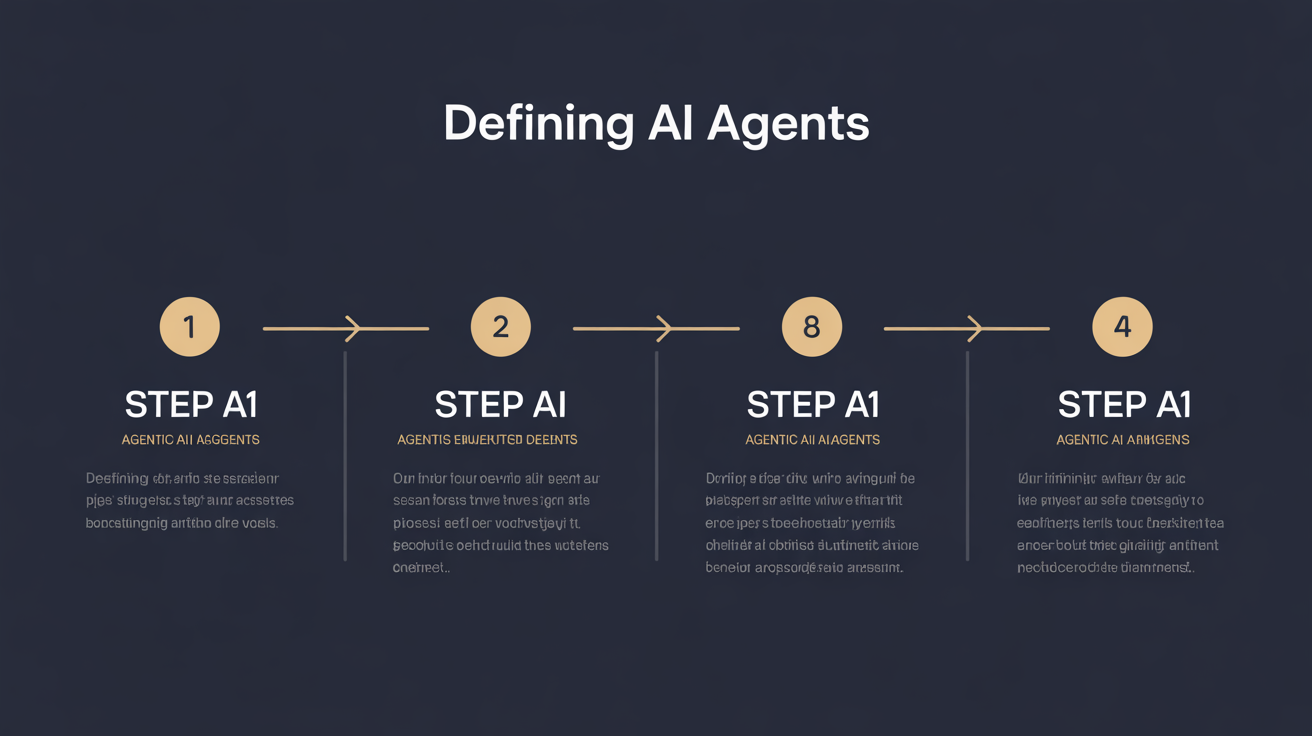
This visual illustrates how Defining AI Agents applies in real-world Agentic AI for Beginners scenarios.
Real-World Applications of AI Agents
AI agents are transforming industries by automating complex tasks. From healthcare diagnostics to customer service chatbots, their applications are wide-ranging and impactful.
The Scenario
AI agents assist doctors by analysing patient data to suggest diagnoses.
The Challenge
The challenge is ensuring accurate recommendations without human oversight.
The Resolution
By incorporating AI agents, healthcare providers can improve diagnostic accuracy and reduce workload.
Test Your Understanding
Complete the AI Agent Definition Prompt
Fill in the blanks to complete the prompt, asking the AI to define an agent's core characteristics.
As an AI, I need your help understanding agents. An AI agent is typically defined by its ability to perceive its [BLANK] through [BLANK] and then act upon that environment using [BLANK]. It aims to achieve specific [BLANK] or objectives. Please elaborate on each of these components in detail.
If you remember only three things…
Autonomy is Essential
AI agents operate independently, making them effective in various applications.
Adaptability Matters
AI agents learn from their environment, improving their performance over time.
Goal-Oriented Behaviour
AI agents are designed to achieve specific objectives, enhancing their utility.
Interactivity Enhances Functionality
The ability to engage with users makes AI agents more effective in real-world tasks.
From Reaction to Action
You now understand how AI agents function autonomously and adaptively. This insight shifts your perspective on AI from mere tools to intelligent entities capable of making decisions.
This is where intelligent systems stop reacting — and start anticipating.
In the next lesson, we will explore how AI agents interact with their environments.
Audio lesson recap
A concise audio summary of this lesson — great for reinforcing key concepts on the go.
Hear it discussed
About three minutes on the ideas in this lesson
Sterling
AI tutor
Vivienne
Sceptical challenger
Press play to start the discussion…
Full transcript · click any line to jump
Recognise core AI agent characteristics
Understanding autonomy, adaptability, goal-orientation, and interactivity defines how AI agents function. This knowledge is crucial for evaluating AI applications in real-world scenarios effectively.
AI agents learn and adapt
Unlike static tools, AI agents continuously improve performance by learning from their environment. This adaptive capability makes them highly effective in dynamic and evolving situations.
Autonomy drives AI agent effectiveness
AI agents operate independently, making decisions based on their objectives and environment. This autonomy enables them to automate complex tasks across various industries, from healthcare to finance.
Ask anything about Defining AI Agents. Sterling will answer — concisely, and with his customary level of patience.