Defining AI Ethics
Explore the core principles of AI ethics. Understand its importance in responsible AI development.
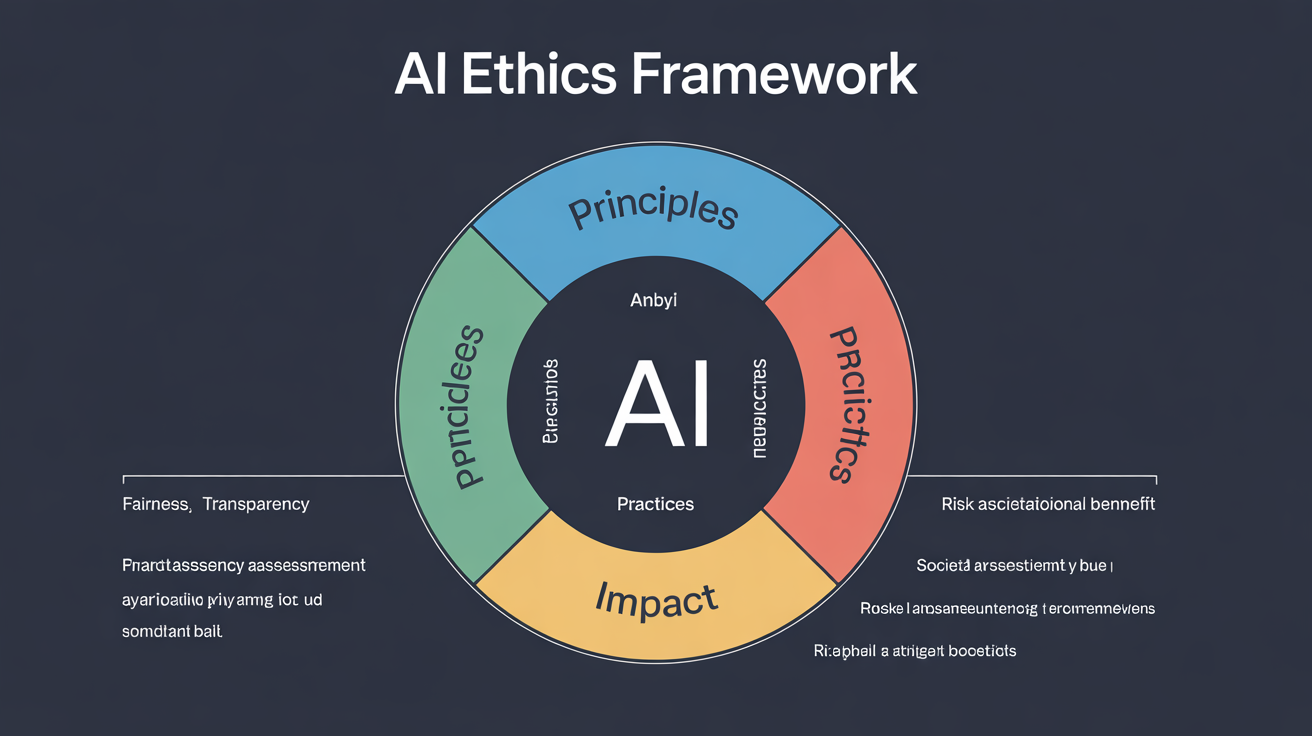
Defining AI Ethics
What makes AI ethics different from general ethics? AI ethics focuses specifically on the ethical implications of artificial intelligence and its impact on society.
It addresses concerns like bias, fairness, accountability in AI.">transparency, and accountability in AI systems. AI ethics aims to ensure AI is developed and used responsibly.
The goal is to prevent unintended consequences and promote positive outcomes. This involves setting guidelines and standards for AI development and deployment.
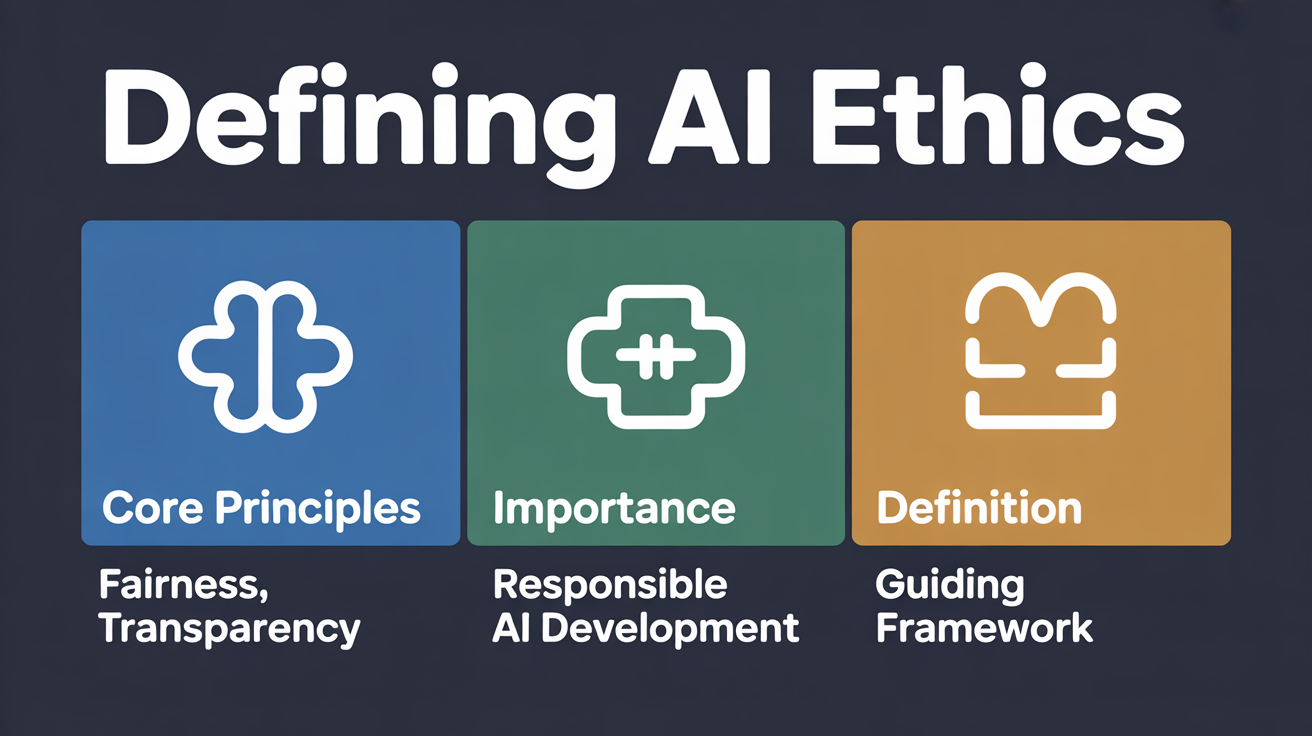
This visual illustrates how Defining AI Ethics applies in real-world AI Ethics & Responsible AI scenarios.
AI ethics is not about slowing innovation, but about guiding it towards a better future.
What is the primary goal of AI ethics?
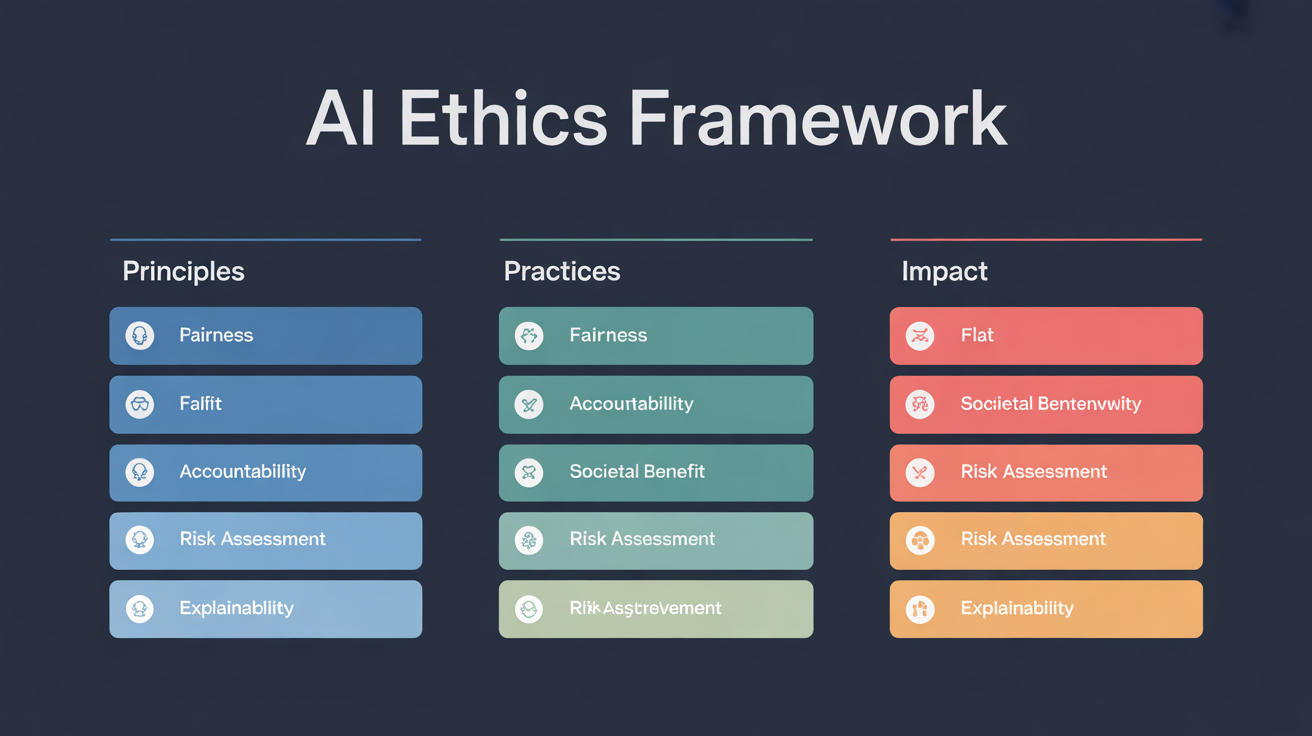
Core Components
Ethical vs. Unethical AI Development
This contrast highlights the importance of integrating ethical considerations into AI development. Ethical development focuses on fairness and transparency. Unethical development can lead to harmful consequences.
AI systems should treat all individuals and groups equitably. Biases in data or algorithms can lead to unfair outcomes.
AI systems should be transparent in their decision-making processes. Explainability helps build trust and accountability.
Organisations must be accountable for the impact of their AI systems. Clear lines of responsibility are essential.
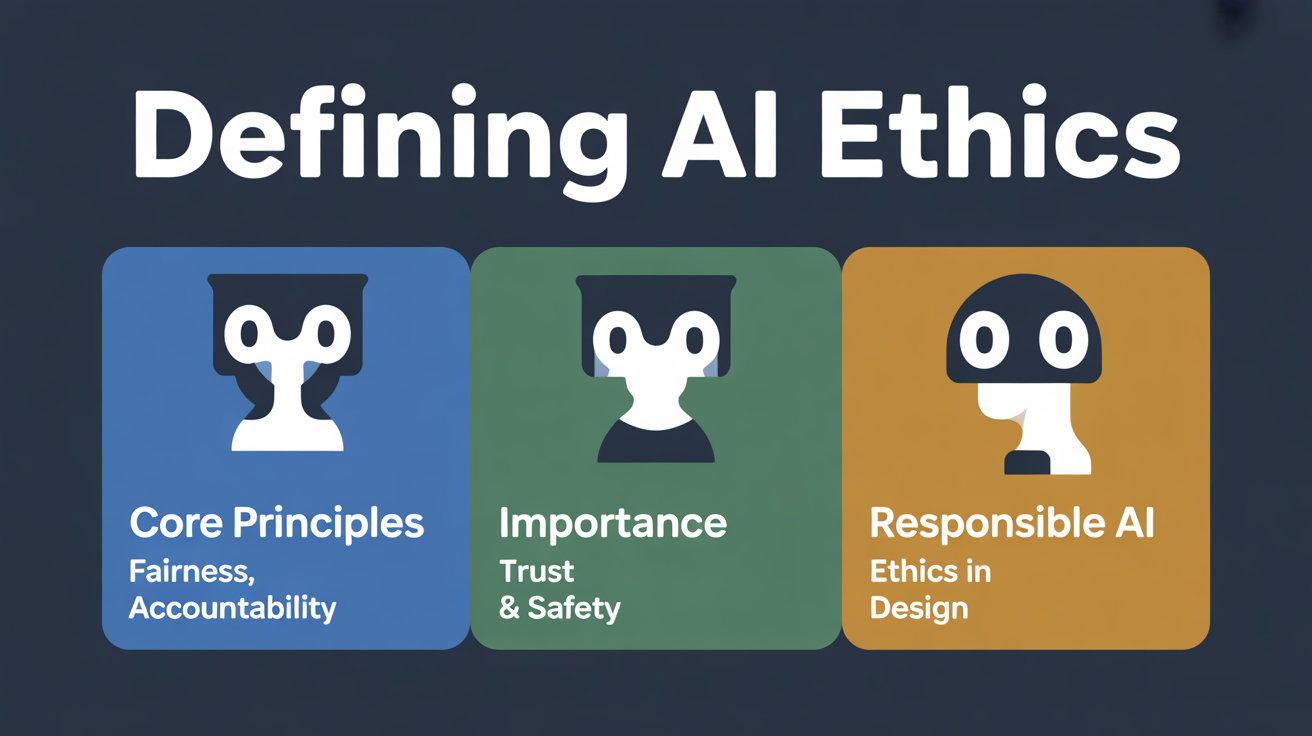
This visual illustrates how Defining AI Ethics applies in real-world AI Ethics & Responsible AI scenarios.
This video demonstrates the process of identifying and mitigating bias in AI models. It highlights the importance of addressing bias to ensure fairness.
Detecting Bias in AI
A short video showing how to identify and mitigate bias in AI models.
The Importance of AI Ethics
AI ethics is crucial for building trust in AI systems. Trust is essential for widespread adoption and acceptance of AI technologies.
Ethical AI practices help mitigate risks and prevent unintended harm. This reduces the potential for negative consequences on individuals and society.
By adhering to ethical guidelines, we can ensure AI benefits everyone. This promotes inclusivity and equity in the use of AI technologies.
If you remember only three things…
AI Ethics Definition
AI ethics focuses on the ethical implications of AI. It aims to ensure AI is developed and used responsibly.
Core Principles
Fairness, transparency, and accountability are key. These principles guide ethical AI development.
Bias Mitigation
Identifying and mitigating biases is crucial. This prevents discriminatory outcomes and societal harm.
Societal Impact
Ethical AI practices benefit everyone. They promote inclusivity and equity in AI technologies.
Test Your Understanding
Identify Ethical Risks in AI Hiring
Review the scenario below and identify two distinct ethical risks posed by the described AI deployment.
A mid-sized tech company has implemented an AI-powered system to pre-screen job applications. The AI analyzes resumes and cover letters, assigning a 'suitability score' to each candidate before human recruiters review them. The system was trained on a decade of the company's past hiring data, which included successful hires, interview outcomes, and performance reviews. The company aims to accelerate candidate selection and reduce unconscious human bias.
Term Glossary
4 verified conceptsGuiding AI Towards a Better Future
You now understand the foundational principles of AI ethics and their critical role in responsible AI development. This understanding allows you to approach AI projects with a focus on fairness, transparency, and accountability, ensuring AI benefits society.
AI ethics is not simply a set of rules, but a commitment to building a better, more equitable future with AI.
Next, we will explore how to apply these principles in real-world scenarios through practical case studies and ethical frameworks.
Audio lesson recap
A concise audio summary of this lesson — great for reinforcing key concepts on the go.
Hear it discussed
About three minutes on the ideas in this lesson
Sterling
AI tutor
Vivienne
Sceptical challenger
Press play to start the discussion…
Full transcript · click any line to jump
Guide AI for a better future
AI ethics ensures innovation serves humanity, preventing unintended harm and promoting positive societal outcomes. It's about responsible development, not hindering progress.
Fairness, transparency, accountability are core
These principles underpin ethical AI, ensuring systems treat everyone equitably and their decisions are understandable. Organisations must take responsibility for AI's impact.
Build trust through ethical AI
Adhering to ethical guidelines fosters public trust, which is vital for widespread AI adoption and acceptance. This approach mitigates risks and benefits everyone.
Ask anything about Defining AI Ethics. Sterling will answer — concisely, and with his customary level of patience.